




Talking About Women’s History: Three Questions and an Answer with Kate Moore
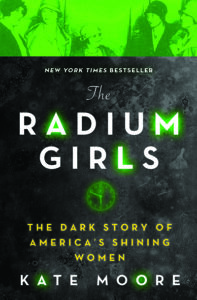
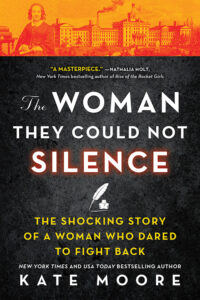
Kate Moore is the New York Times and USA Today bestselling author of The Radium Girls, which won the 2017 Goodreads Choice Award for Best History, was voted U.S. librarians’ favourite nonfiction book of 2017, and was named a Notable Nonfiction Book of 2018 by the American Library Association. A British writer based near Cambridge, UK, Kate writes across a variety of genres and has had multiple titles on the Sunday Times bestseller list. Her latest book is the USA Today bestseller The Woman They Could Not Silence, which, among other accolades, was named runner-up for Best History in the 2021 Goodreads Choice Awards and a 2021 Booklist Editor’s Choice. She is currently working on a third U.S. history book.
Take it away, Kate!
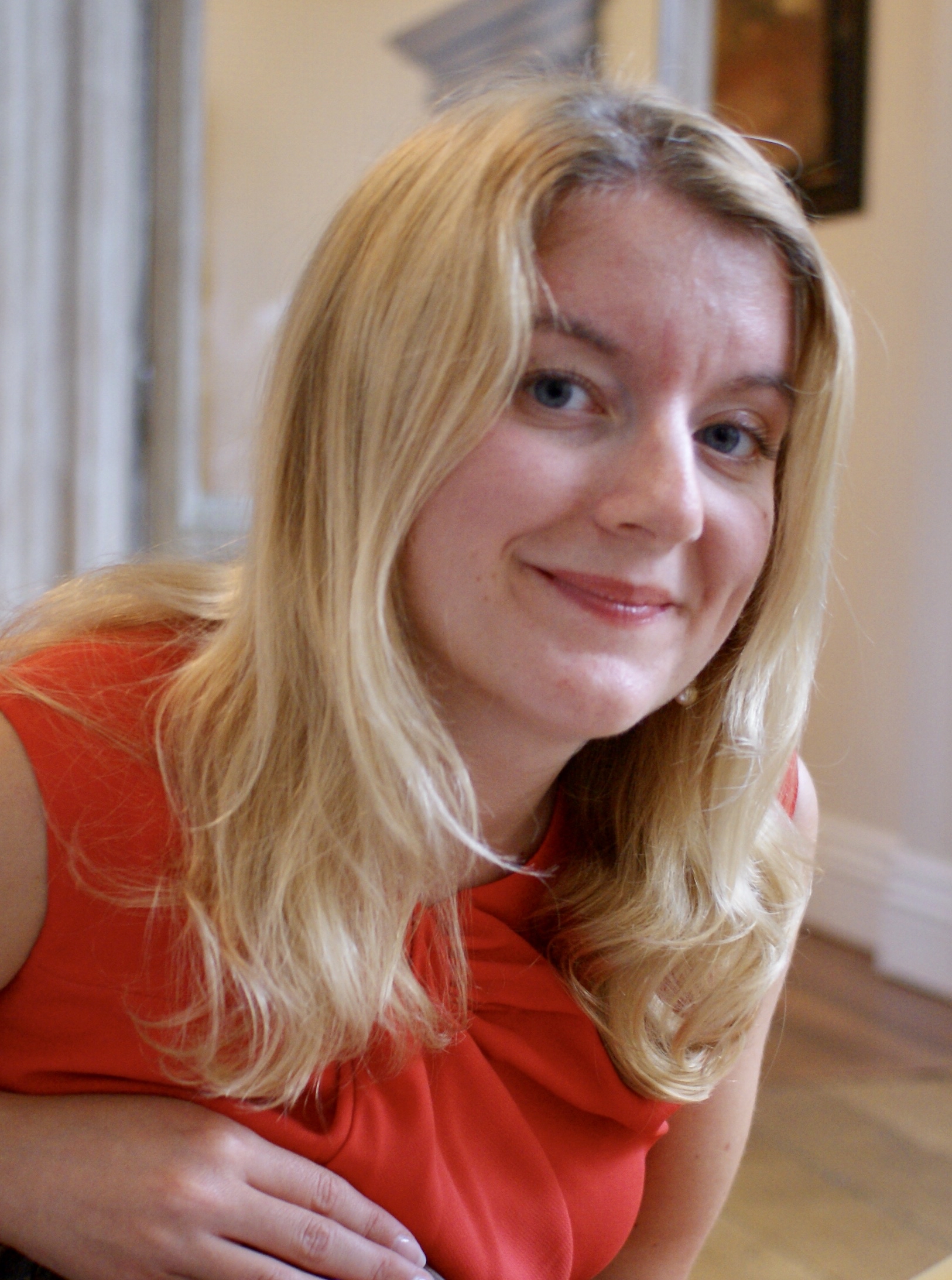
Even well-known women in the nineteenth century are often neglected by biographers and historians. What path led you to Elizabeth Packard, the central figure in The Woman They Could Not Silence, and why do you think it’s important to tell her story today?
I always think that the genesis of The Woman They Could Not Silence was a little topsy-turvy – because I decided on the theme I wanted to write about before I’d even heard Elizabeth’s name. The book was inspired by the #MeToo movement; it got me thinking, how have women been silenced in the past? (Because 2017 was not the first time women had spoken out, yet it was the first time we were listened to and – crucially – believed.) My thoughts coalesced around this realization that, often, women are dismissed with the false claim that we’re crazy. Our mental health is wielded as a weapon against us, used to undermine and control us. I decided that age-old strategy from the powers-that-be was what I wanted to explore in my next book, but I didn’t want to write a polemic. I’m a storyteller – so I needed to find a true story: one woman in history whose personal experiences could act as a microcosm. A sane woman accused of being mad in order to silence her. Through telling that one woman’s story, I hoped she could stand for all, and highlight this experience that is so common, even today – and not only for women, but for anyone who challenges the status quo.
So I went looking for this woman, not knowing if she even existed. Yet one January day, after falling into a rabbit warren of internet searches about women and madness, I found her. Four pages into a university essay about “Lunacy in the Nineteenth Century” was a single paragraph containing the name “Elizabeth Packard”. Once I looked more deeply into her life – the gothic horror of her committal to a mental hospital in 1860 (simply by the request of her husband), the courtroom drama of her landmark insanity trial, her own extraordinary campaigning as she subsequently used this horrendous experience in her life to make the world better for others – I knew she was “The One.”
It’s important to tell her story today because, regrettably, we are still living it. I’ve been shocked by the number of readers who have written to tell me their own lives have been ruined by similar experiences – by the gaslighting, the attempted sectioning, the false claim of crazy to silence and control.
Yet it’s important for another reason too. My book has a happy ending. And I think the extraordinary Elizabeth Packard can inspire us all to seek a happy ending in our own century too.
At first glance, The Woman They Could Not Silence and The Radium Girls are very different stories, set a half century apart. Are there common themes that link them?
Absolutely, yes! I would personally describe them both as feminist books – here are two sets of women, bravely fighting for justice against all the odds. These are portraits of strong women who stood up for what they believed in, and in so doing changed the world. Both books also share fascinating elements of science history and shocking did-they-really-used-to-do-that reveals. Both stories are full of intimate details, driven by character and first-person historical sources, so that you hear directly from the historical figures in their own words, sharing what they were thinking and feeling at the time. And of course both stories are compellingly dramatic, with courtroom drama a centerpiece of both narratives.
What is your favorite research tip for people who want to write about relatively obscure historical women?
Ooh, I’ve got a couple of tips. Firstly, if anyone has published a book that even vaguely references your subject or topic, check out their bibliography. It may provide a treasure trail of clues to follow – an obscure archive or collection you didn’t know about, for example. Secondly, don’t forget about the gift of secondary sources. When writing Elizabeth’s story, I devoured asylum memoirs and journals from her contemporaries to get a sense of that world in that era – it might not have been her particular asylum they were writing about, but they gave a lot of insight and I think personal memoirs often give fantastically vivid details (sights/sounds/smells) that will allow your biography to come to life. Thirdly, HathiTrust has digitized a lot of long-forgotten older texts from the nineteenth century (and earlier), which means there is a wealth of fascinating texts at your fingertips that may be relevant, be it a travel memoir to your location in the right era, legislative records, out-of-print books etc. Fourth, enlist the help of archivists at libraries. They will often be able to suggest avenues for research or relevant books you weren’t aware of. Finally, don’t forget about resources on sites such as Ancestry. Census records (and other documents) that you can find there can be really useful. They might even enable you to track down living relatives, who may have inherited documents or stories they can share with you. Enjoy the journey!
A question from Kate: As historians, we often see history repeating itself. How can stories from the past help us to prepare for the future? And can they ever stop us making the same mistakes?
Like many of us who spend our lives thinking about another time and place, I’ve struggled with this question a lot in recent years–in the privacy of my own mind if not in public debate. I’ve come to the conclusion that history echoes rather than repeats. Comparisons between the past and the present are inevitably inexact. Looking at the past to explain the present through that inexactitude can be both enlightening and confusing, depending on how you phrase the question.
Ultimately, I don’t think stories from the past can help us prepare for the future, or stop us from making the same mistakes because while the mistakes may be similar, the paths that lead to them are inevitably different. That said, studying the past gives us a context for the present, and perhaps a guidebook for how to respond differently. Even if all it tells us is that we need to say “NO!” earlier and louder.
* * *
Want to learn more about Kate and her work?
Check out her website: www.kate-moore.com
Follow her on Facebook
* * *
Come back tomorrow for more Women’s History Month fun.
Talking About Women’s History: Three Questions and an Answer with Denise Kiernan
Denise Kiernan is an author, journalist, producer, and host of “CRAFT: Authors in Conversation.” Her forthcoming narrative nonfiction title, Obstinate Daughters: The Rebels, Writers, and Renegade Women Who Ignited the American Revolution arrives June 23, 2026. Her latest young reader’s book, We Gather Together: Stories of Thanksgiving from Then to Now, is a companion title to the popular adult nonfiction book, We Gather Together, and children’s picture book, Giving Thanks. Her book The Last Castle was an instant New York Times bestseller in both hardcover and paperback and was also a Wall Street Journal bestseller. She is also the author of The Girls of Atomic City, which is a New York Times, Los Angeles Times, and NPR bestseller and has been published in multiple languages.[1] She lives in North Carolina.
Take it away, Denise!
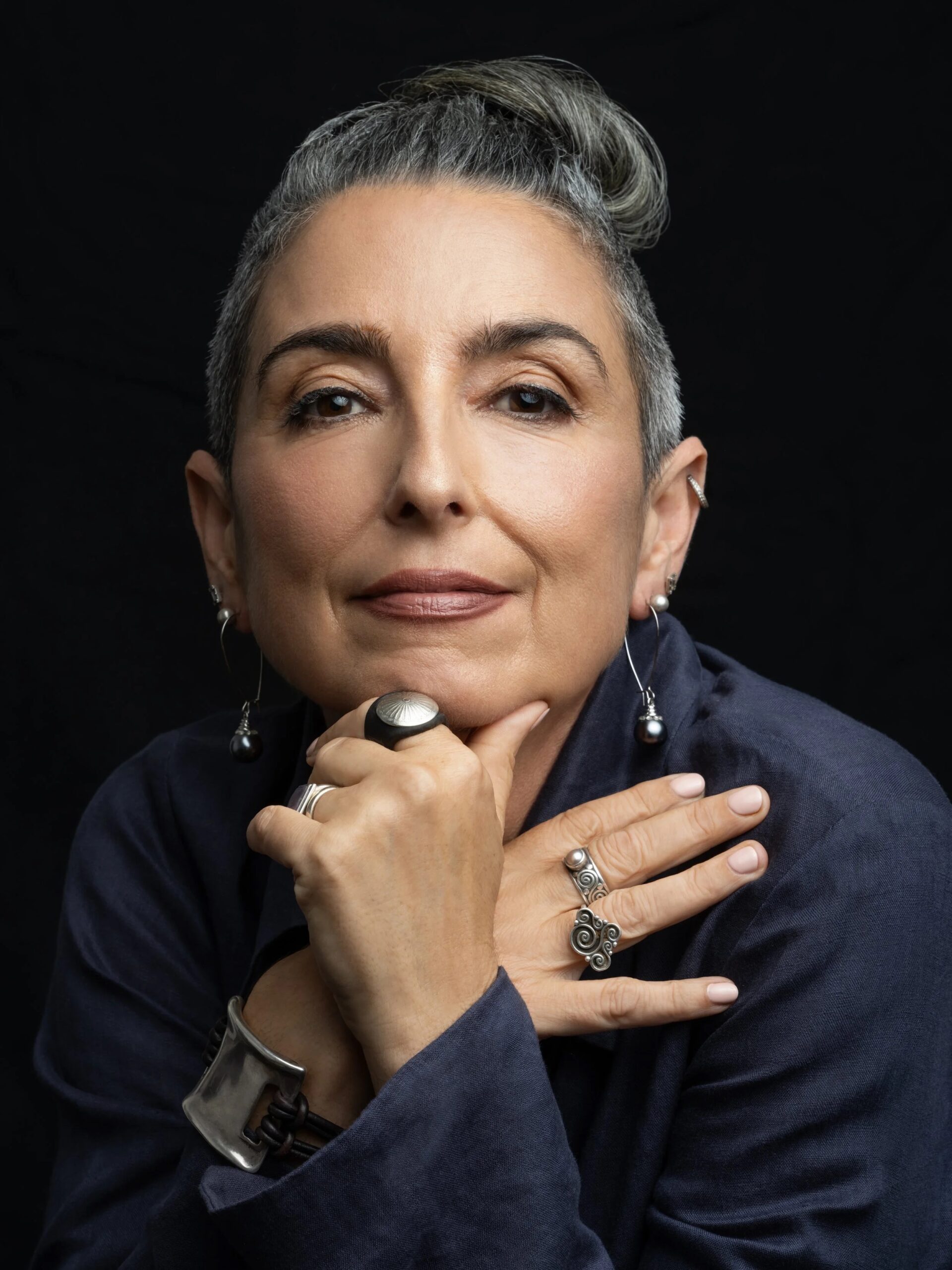
Photograph © Beowulf Sheehan
How do you chose the subjects for your works of narrative non-fiction?
I start with—and stick with—curiosity. These books are in my life for a long time and I have to be fascinated by the subject. I keep lists of ideas, moments in history, and the people who shaped them. I try to find a topic or theme that feels familiar and then explore it through underrepresented voices and perspectives.
What was the most surprising thing you’ve found doing historical research for your work?
I am always astounded by the sheer amount of information that remains in archives, libraries, and historical societies that has yet to see the light of day. There are so many stories still to tell.
What work of women’s history have you read lately that you loved? (Or for that matter, what work of women’s history have you loved in any format?)
I LOVE You Can’t Catch Us. Lady Bird Johnson’s Trailblazing 1964 Campaign Train and the Women Who Rode with Her, by Shannon McKenna Schmidt. She’s an amazing author and this is a spectacular read.
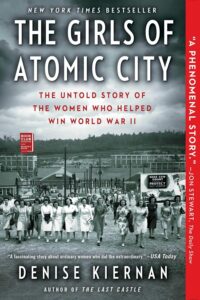
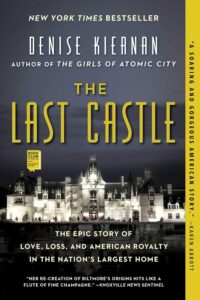
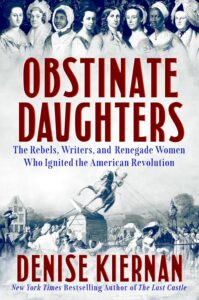
A question from Denise: My question for you is a simple one: What first inspired you to undertake this annual Q&A project, and how has conducting it impacted you as a writer?
I can’t take credit for the idea. In 2018, the brilliant Greer Macallister, who writes historical fiction and epic fantasy with a feminist twist, ran a wonderful series on her blog for Women’s History Month titled #WomensHistoryReads. The concept was simple: she asked historians and historical novelists to answer three questions regarding writing and reading about women in history and asked each of us to ask her a question in return. I eagerly awaited each post as it came out. With her blessing, I began running a similar series the following year. Since then it’s taken on a life of its own.
The series has been a good thing for me in many ways, some of them unexpected. Instance, it has forced me to gather up my courage to reach out to people I admire—not that easy for a shy human being. Every year, it causes my To-Be-Read list to explode. But the impact on me as a writer has come from the questions. Writing the questions each year is always thought-provoking because I try to ask some questions that relate directly to the work of each person I’m interviewing. The questions you all ask me in return often make me stop and consider how I do the work and what I believe about the work, something I seldom have time for in the middle of working on a book.
[1] Pamela interjecting: Also one of my favorite books of recent years.
***
Want to know more about Denise and her work?
Visit her website: https://www.denisekiernan.com/
Subscribe to her newsletter: https://newsletter.denisekiernan.com/
***
Come back tomorrow for three questions and an answer with author Kate Moore.
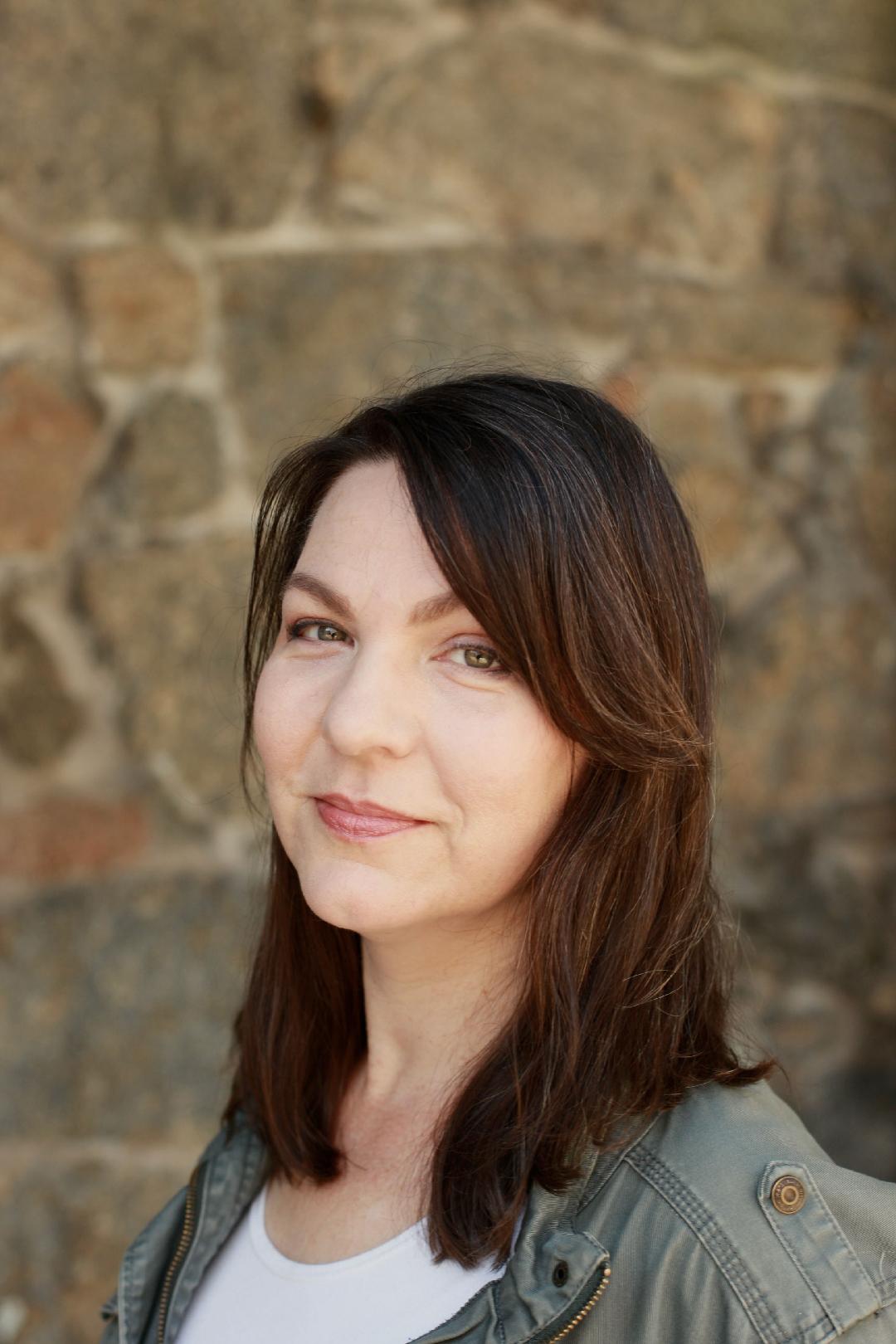
Talking About Women’s History: Three Questions and an Answer with Shelley Puhak
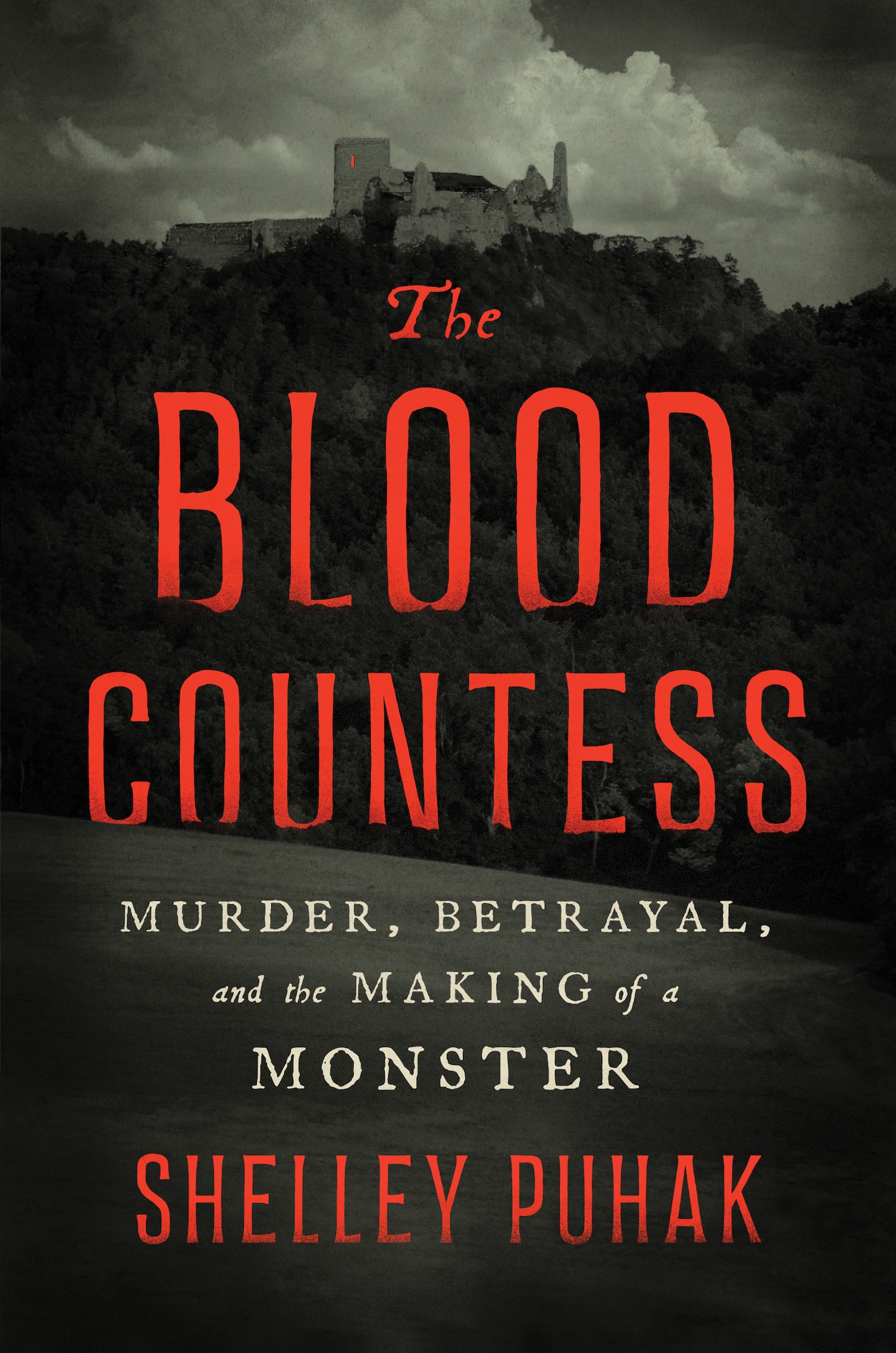
I am thrilled to have Shelley Puhak back for another round of Three Questions and an Answer. I loved her last book, The Dark Queens: The Bloody Rivalry that Forged the Medieval World and was thrilled when I learned she was writing about the infamous Elizabeth Bathory. (Spoiler: It lived up to my expectations.)
Shelley writes literary nonfiction and poetry informed by rigorous historical research. Her prose has appeared in The Atlantic, Smithsonian, and Virginia Quarterly Review; been anthologized in Best American Travel Writing; and designated as Notable in four editions of Best American Essays. Her nonfiction debut The Dark Queens (Bloomsbury 2022), exploring the little-known queens Brunhild and Fredegund, was a national bestseller and a USA Today Best Books selection, an Amazon Editors’ Pick, and a Goodreads Choice Awards finalist. Her second book The Blood Countess, a reexamination of the notorious Elizabeth Bathory, was released in February 2026.
Shelley is also the author of three award-winning books of poetry. The most recent is Harbinger, a National Poetry Series selection (Ecco/ HarperCollins 2022).
Take it away, Shelley!
You start Blood Countess with a chilling narrative of the story of Elizabeth Bathory, who has been demonized through the centuries as the world’s most prolific female serial killer. Then you bluntly state: “And nearly none of it is true.” What inspired you to unravel Bathory’s story from myth and misinformation?
We’re all witnessing the proliferation of online disinformation, and I couldn’t help but hear echoes of Elizabeth’s time, when another new and unregulated technology enabled conspiracy theories to spread faster and further than ever before.
Elizabeth Bathory is accused of torturing and killing hundreds of young girls and bathing in their blood. I was also curious why so many people really want this legend to be true. In the past, the legend gave many repressed men the chance to discuss, imagine, and sketch lots of naked (dead) female bodies, all in the name of pursuing moral or scientific truth. But now, over 400 years later, why does this story still have such a grip on our imaginations? (I have theories!) Its an intriguing historical cold case, but it is also a fascinating case study in who gets to speak, what counts as evidence, and how myths get made.
How does Bathory’s story fit into the larger framework of witch hunting in Europe in the seventeenth century?
Her case unfolds at the beginning of The Great Hunt, the explosion of witchcraft accusations and trials in early modern Europe. The same men who accused and investigated Elizabeth Bathory also oversaw the witch hunts in the area.
So many women in Elizabeth’s family end up accused of witchcraft: her mother-in-law, her aunt, her cousins, and her niece. Elizabeth herself was alleged to use a supernatural pretzel for surveillance, serve bewitched cakes to her enemies, and command an army of invisible demon dogs and cats. She was also known to have kept company with convicted witches: one of Elizabeth’s friends was accused of dabbling in the dark arts, and another was burned at the stake.
What do you find most challenging or most exciting about researching historical woman?
I find it exhilarating to uncover the networks of women of any time period, the overlooked sisters, daughters, cousins, friends and rivals. Intertwined with Elizabeth’s story were women joining rebellions, pitching in as soldiers, operating printing presses, running medical practices, even women trying to become priests. If you go looking for one woman, you always turn up dozens of others, deserving of books of their own.
A question from Shelly: From the nail-biting opening on the streets outside her apartment to the scene of Schultz dodging shrapnel on her way to a broadcast, wartime Berlin is so integral to The Dragon from Chicago. You incorporate subway systems, walking routes, multiple state and bureau buildings, etc. How did you manage to render Berlin so vividly when this version of Berlin ended up reduced to rubble? What tools, tricks, or tips do you have for readers and writers interested in researching places that have been irrevocably altered or no longer exist?
I worked really hard at this, so I’m glad to hear that I succeeded.
I would say that the research skills are much the same, but the questions are different. Here are some the things I found helpful:
1. If you’ve spent anytime following me here on the Margins or on my newsletter, you know that I’m a big fan of maps. In the case of The Dragon From Chicago, maps became even more important than usual. In the course of writing about one of the many small revolts that occurred in Germany during the first months of the Weimar republic, I realized that I needed not only to untangle the events as they occurred day by day, but I also needed to place those events in space to see just how they would have affected Sigrid Schultz.
I had already pinpointed the location of the Schultz apartment thanks to Google maps and a big street map of modern Berlin. Now I began to track her movements and the movements of the battles. That’s when I ran into a problem: some of the streets weren’t on the modern map. The ultimate solution was to locate a map of Berlin between the wars (harder to find than you might think) and work with it in conjunction with my more detailed modern map. I located the location of all the buildings that were important to my story—most of which no longer exist. I also traced the routes Sigrid was most apt to have traveled between them, based in part on her letters. I used Google maps to get an estimate of distance and travel time, which gave me a rough idea of how far apart things were. (It would have been wonderful to do this in person in modern Berlin, but I began working on the book in March, 2020. Travel was not an option,).
This gave me a physical framework on which to set the action
2. Obviously I spent a lot of time looking at photographs, not only of public buildings but also of the streets of Berlin between 1919 and 1941. There were some images that I wanted but never found, or found too late to use. For instance I didn’t find a picture of the Hotel Adlon bar, which was a major location in the book, until The Dragon From Chicago was in copy edits. Luckily Sigrid gave several detailed descriptions, right down to the red leather seats on the chairs.
And speaking of those red leather seats: After a while, I realized that the prevalence of black and white photos was coloring—so to speak—my image of mid-century Berlin. Thinking of the city in shades of gray was metaphorically all too apt for the period. So I began to seek out paintings, drawings, and illustrations from the period that would add color to my mental image. FYI: this is a case where the big names may not be your best bet. Paintings by Otto Dix and George Grosz illustrated the zeitgeist; talented but more conventional artists told me what the streets and store interiors looked like in realistic terms.
3. I combed my sources for sensory details that would bring scenes to life: when I mention the weather it comes from contemporary report. I read every memoir or contemporary account of the period I could get my hands on. Even when they report the same events they see different things.
4. I sought out information about urban planning, transportation, and technology to learn about public transportation, utilities, radio, and information transmission.
In short, find ways to look for the physicality of your setting, not just the events that occurred there.
***
Interested in learning more about Shelley and her work?
Check out her website: www.shelleypuhak.com
***
Come back tomorrow for three questions and an answer with journalist Denise Kieran