




Talking About Women’s History: Three Questions and an Answer with Kate Moore
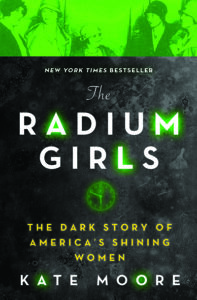
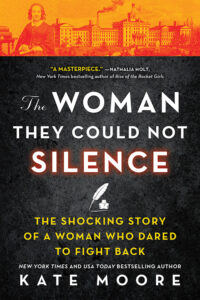
Kate Moore is the New York Times and USA Today bestselling author of The Radium Girls, which won the 2017 Goodreads Choice Award for Best History, was voted U.S. librarians’ favourite nonfiction book of 2017, and was named a Notable Nonfiction Book of 2018 by the American Library Association. A British writer based near Cambridge, UK, Kate writes across a variety of genres and has had multiple titles on the Sunday Times bestseller list. Her latest book is the USA Today bestseller The Woman They Could Not Silence, which, among other accolades, was named runner-up for Best History in the 2021 Goodreads Choice Awards and a 2021 Booklist Editor’s Choice. She is currently working on a third U.S. history book.
Take it away, Kate!
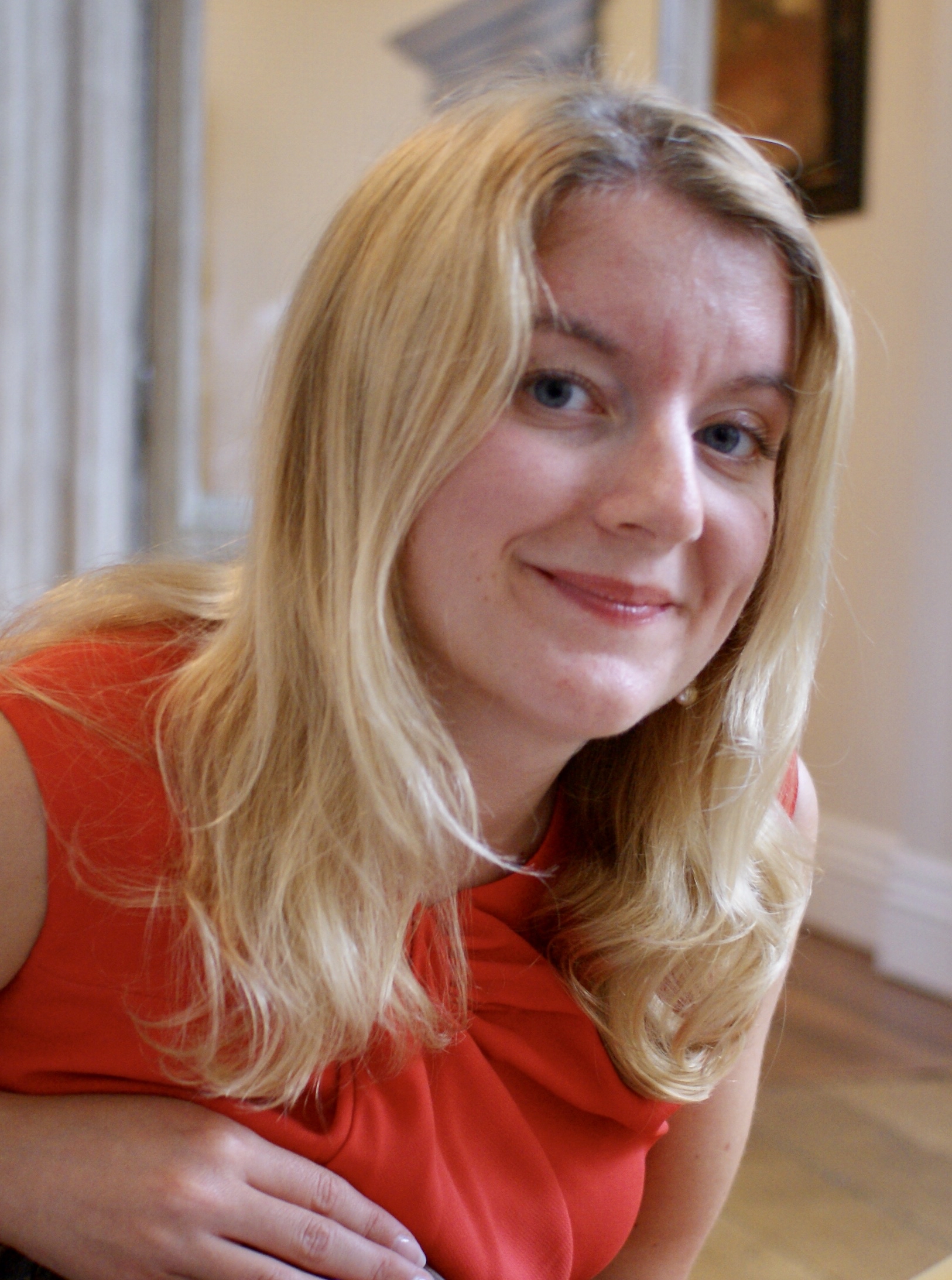
Even well-known women in the nineteenth century are often neglected by biographers and historians. What path led you to Elizabeth Packard, the central figure in The Woman They Could Not Silence, and why do you think it’s important to tell her story today?
I always think that the genesis of The Woman They Could Not Silence was a little topsy-turvy – because I decided on the theme I wanted to write about before I’d even heard Elizabeth’s name. The book was inspired by the #MeToo movement; it got me thinking, how have women been silenced in the past? (Because 2017 was not the first time women had spoken out, yet it was the first time we were listened to and – crucially – believed.) My thoughts coalesced around this realization that, often, women are dismissed with the false claim that we’re crazy. Our mental health is wielded as a weapon against us, used to undermine and control us. I decided that age-old strategy from the powers-that-be was what I wanted to explore in my next book, but I didn’t want to write a polemic. I’m a storyteller – so I needed to find a true story: one woman in history whose personal experiences could act as a microcosm. A sane woman accused of being mad in order to silence her. Through telling that one woman’s story, I hoped she could stand for all, and highlight this experience that is so common, even today – and not only for women, but for anyone who challenges the status quo.
So I went looking for this woman, not knowing if she even existed. Yet one January day, after falling into a rabbit warren of internet searches about women and madness, I found her. Four pages into a university essay about “Lunacy in the Nineteenth Century” was a single paragraph containing the name “Elizabeth Packard”. Once I looked more deeply into her life – the gothic horror of her committal to a mental hospital in 1860 (simply by the request of her husband), the courtroom drama of her landmark insanity trial, her own extraordinary campaigning as she subsequently used this horrendous experience in her life to make the world better for others – I knew she was “The One.”
It’s important to tell her story today because, regrettably, we are still living it. I’ve been shocked by the number of readers who have written to tell me their own lives have been ruined by similar experiences – by the gaslighting, the attempted sectioning, the false claim of crazy to silence and control.
Yet it’s important for another reason too. My book has a happy ending. And I think the extraordinary Elizabeth Packard can inspire us all to seek a happy ending in our own century too.
At first glance, The Woman They Could Not Silence and The Radium Girls are very different stories, set a half century apart. Are there common themes that link them?
Absolutely, yes! I would personally describe them both as feminist books – here are two sets of women, bravely fighting for justice against all the odds. These are portraits of strong women who stood up for what they believed in, and in so doing changed the world. Both books also share fascinating elements of science history and shocking did-they-really-used-to-do-that reveals. Both stories are full of intimate details, driven by character and first-person historical sources, so that you hear directly from the historical figures in their own words, sharing what they were thinking and feeling at the time. And of course both stories are compellingly dramatic, with courtroom drama a centerpiece of both narratives.
What is your favorite research tip for people who want to write about relatively obscure historical women?
Ooh, I’ve got a couple of tips. Firstly, if anyone has published a book that even vaguely references your subject or topic, check out their bibliography. It may provide a treasure trail of clues to follow – an obscure archive or collection you didn’t know about, for example. Secondly, don’t forget about the gift of secondary sources. When writing Elizabeth’s story, I devoured asylum memoirs and journals from her contemporaries to get a sense of that world in that era – it might not have been her particular asylum they were writing about, but they gave a lot of insight and I think personal memoirs often give fantastically vivid details (sights/sounds/smells) that will allow your biography to come to life. Thirdly, HathiTrust has digitized a lot of long-forgotten older texts from the nineteenth century (and earlier), which means there is a wealth of fascinating texts at your fingertips that may be relevant, be it a travel memoir to your location in the right era, legislative records, out-of-print books etc. Fourth, enlist the help of archivists at libraries. They will often be able to suggest avenues for research or relevant books you weren’t aware of. Finally, don’t forget about resources on sites such as Ancestry. Census records (and other documents) that you can find there can be really useful. They might even enable you to track down living relatives, who may have inherited documents or stories they can share with you. Enjoy the journey!
A question from Kate: As historians, we often see history repeating itself. How can stories from the past help us to prepare for the future? And can they ever stop us making the same mistakes?
Like many of us who spend our lives thinking about another time and place, I’ve struggled with this question a lot in recent years–in the privacy of my own mind if not in public debate. I’ve come to the conclusion that history echoes rather than repeats. Comparisons between the past and the present are inevitably inexact. Looking at the past to explain the present through that inexactitude can be both enlightening and confusing, depending on how you phrase the question.
Ultimately, I don’t think stories from the past can help us prepare for the future, or stop us from making the same mistakes because while the mistakes may be similar, the paths that lead to them are inevitably different. That said, studying the past gives us a context for the present, and perhaps a guidebook for how to respond differently. Even if all it tells us is that we need to say “NO!” earlier and louder.
* * *
Want to learn more about Kate and her work?
Check out her website: www.kate-moore.com
Follow her on Facebook
* * *
Come back tomorrow for more Women’s History Month fun.