




Talking About Women’s History: Three Questions and an Answer with Ericka Verba
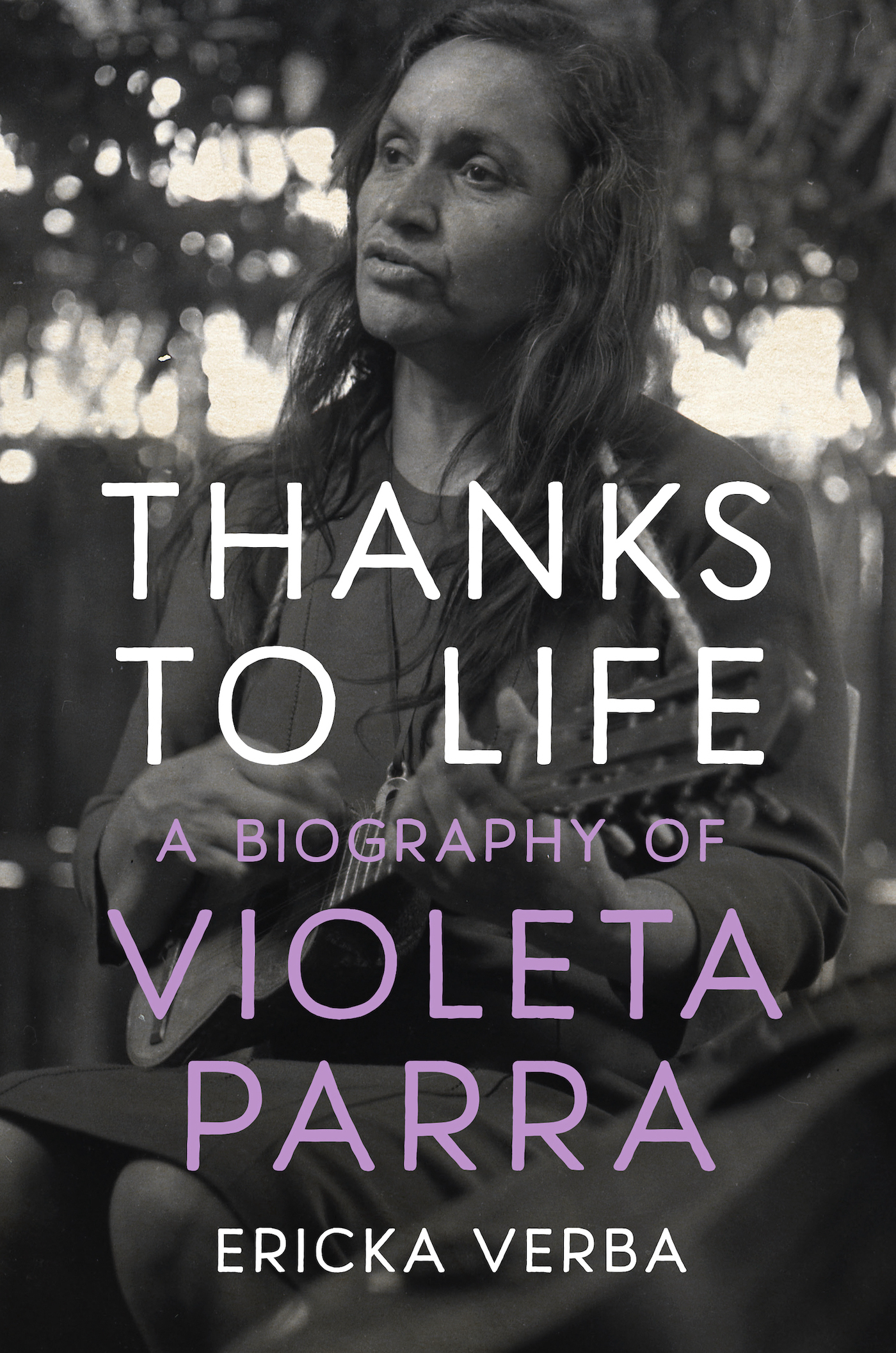
Ericka Verba is Professor of Latin American Studies at California State University, Los Angeles. Her research interests include the cultural Cold War, the role of music in social movements, and the intersection of gender and class politics in twentieth-century Latin America. She has received grants from the National Endowment for the Humanities, the Mellon Foundation, the Social Science Research Council, the Fulbright, and the Los Angeles Department of Cultural Affairs. She is a founding member of SCALAS (Southern California Association of Latin American Studies) and the recipient of the E. Bradford Burns Award for service to the Pacific Coast Council on Latin American Studies. She is the author of the book Thanks to Life: A Biography of Violeta Parra.
Take it away, Ericka!
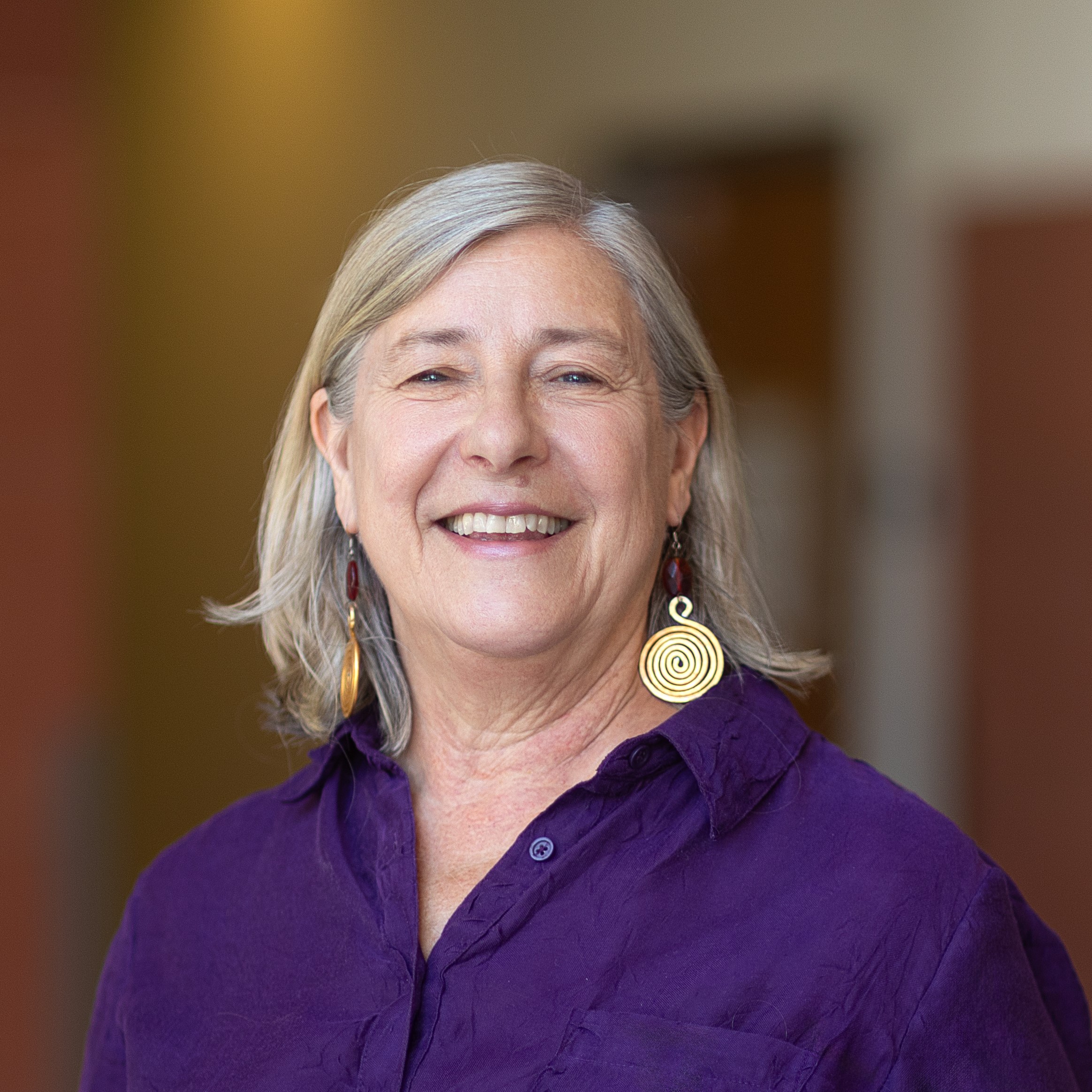
What path led you to Violeta Parra?
I first encountered Violeta Parra’s music as a high school student when I became friends with a Chilean family of musicians and artists living in exile. The family taught me my first Violeta Parra songs and guided my political awakening to the brutality of the Pinochet dictatorship and the role of the US government in installing and supporting it. As a musician and member of the US-based New Song groups Sabiá and Desborde, I have been performing Parra’s music since the late 1970s. I wrote my undergraduate senior thesis on Parra’s autobiography in verse in 1980, and gave my first academic presentation on Parra at the 2nd International Conference on Women in Music in 1982. In 1996, I was musical director and arranger for a tribute concert to Violeta Parra, held in Los Angeles with the participation of L.A.-based musicians from four continents. As a professor of Latin American History since 2004, I have welded my research on the history of women in Chile with my interest in Parra to acquire a deeper understanding of the social context and gender dynamics that shaped her life. Suffice to say that my biography of Violeta Parra is the culmination of my decades-long curiosity about and engagement with her work.
Thanks to Life is an evocative title. Can you tell me how you came to it?
“Thanks to Life” is the English translation of the title of Violeta Parra’s most famous song, “Gracias a la vida.” The song has been translated into 14 different languages and sung and recorded by scores of musicians the world over, including country music star Kasey Musgraves, cellist Yo-Yo Ma (instrumental version), Latin pop singers Jennifer Lopez and Shakira, K-pop duo Davichi, US folksinger Joan Baez, and Cuban singer Omara Portuando of the Buena Vista Social Club. I recently learned that Argentine folk singer Mercedes Sosa’s version of the song is featured on the soundtrack to the film Project Hail Mary. The song’s title also has the word “life” in it. Finally, the song clearly hits a universal chord. For all these reasons, it felt like the obvious choice for the first major biography of Violeta Parra to be published in English. My hope is that it will lead listeners to want to know more not just about her music, but also her visual art, poetry, and life story.
How did your experience as a musician inform your work on Violeta Parra?
I’ve been singing Parra’s songs since I was a teenager. Her lyrics have become part of my internal vocabulary and a particular line will come to the surface when I need it most to help me grasp what I am feeling at that moment. Lately, for example, this phrase from the last verse of “Gracias a la vida” often comes to mind:
Gracias a la vida que me ha dado tanto.
Me ha dado la risa y me ha dado el llanto.
Así yo distingo dicha de quebranto,
los dos materiales que forman mi canto
[Thanks to life for all it has given me.
It has given me laughter, it has given me tears.
And so I distinguish joyfulness from sorrow,
The materials that together make up my song]
I think this level of familiarity with Parra’s poetry gave me an edge when I began to examine her life from the analytical perspective of a historian. It also influenced my decision to integrate excerpts of Parra’s song lyrics and décimas, her autobiography in verse, into my book.
And I am so happy with the translations, which were done with much love and effort by my dear friends and colleagues Nancy Morris and Patricia Vilches. Here is their explanation of their process: “Translating parts of Violeta Parra’s Décimas [Parra’s autobiography in verse] and songs constituted both a cherished and monumental task for us. We worked through successive draft translations, parsing and refining line by line and at times word by word. We sought to maintain the vibrancy of Parra’s poetry and songs while staying faithful to her meaning, and to convey the meter, pacing, rhythm, tone, and, where achievable, rhyme of the original texts.”
A question from Ericka: What inspired you to start your blog?
When I started History in the Margins, almost fifteen (!!!) years ago, the first post I wrote was an attempt to answer the question “Why Another History Blog? “ I went back to that post today, I found it still rings true to me. Here’s the guts of it: “These days I write about a wide range of historical topics…And at the end of every day I have a great story that didn’t quite fit in the piece at hand, a dangling idea that I want to play with, a connection I want to explore, or a book that I can’t wait to share with someone else.”
****
Want to know more about Ericka and her work?
Visit her website: https://erickaverba.com/
Follow her on Instagram
****
Come back tomorrow for more women’s history fun.