




Eliza Lucas Pinckney Gets the (Indigo) Blues
Let’s get this out of the way up front: Eliza Lucas Pinckney (1722-1793) owned enslaved people, and it was her exploitation of their labor that made her achievements as an agricultural innovator possible.
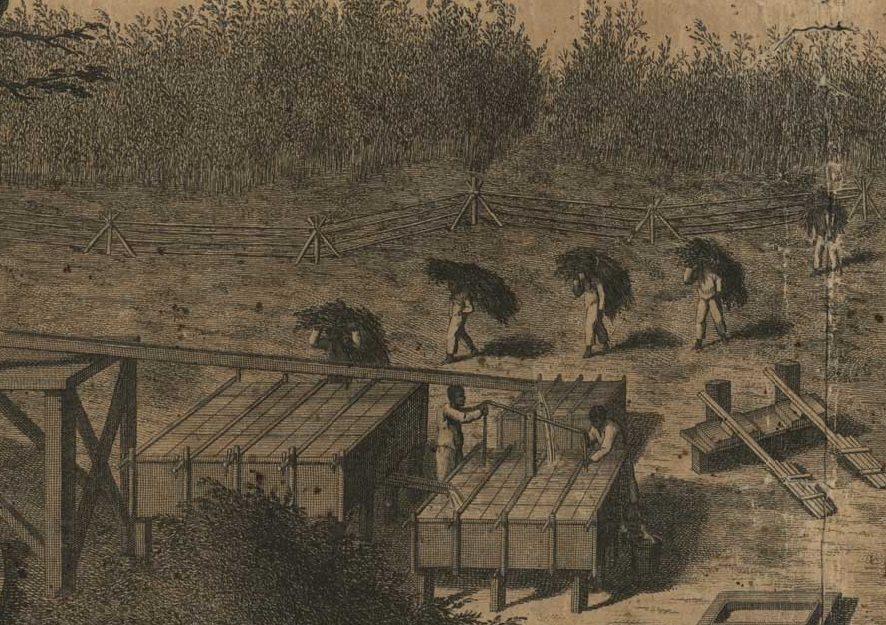
Thanks to the Charleston Country Public Library
Eliza Lucas was born on Antigua, which was then part of the British Leeward Islands, where she grew up on one of three sugar cane plantations owned by her father, George Lucas, who was a lieutenant colonel in the British Army.[1] When she was ten, she was sent to school in London to learn the accomplishments believed to be necessary for a young woman in society.[2] The school seems to have been an unusual one: the curriculum included bookkeeping in addition to the usual skills of needlework, French, and music. She wrote to her father that her favorite subject was botany, perhaps a foreshadowing of her future life as farmer on a large scale.
In 1738, the Lucas family moved from Antigua to South Carolina, where Colonel Lucas had inherited a plantation from his father. He soon bought two more. The following year, as tensions between England and Spain increased , George Lucas, now a major, was called back to his post in Antigua When those tensions exploded into the War of the Austrian Succession[3] in 1740, he was named lieutenant governor.
Major Lucas left sixteen-year-old Eliza in charge of the Carolina plantations, which he had mortgaged to pay for his last military promotion[4], and of a household that included a sickly mother, a younger sister, and a number of enslaved people. Eager to make the plantations pay, and perhaps to reduce the debt, she began experimenting with new crops that could replace or complement their production of rice. She planted a large stand of oaks, in anticipation of future income. She tried ginger, cotton,[5] alfalfa, flax, and hemp. Each of them failed. Finally, in 1739, she planted indigo, which was being grown and processed in the West Indies in response to a demand in the British textile industry.
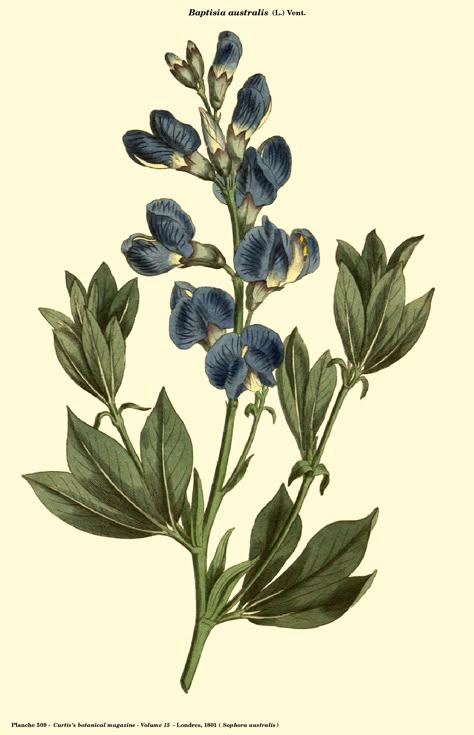
By 1744, Eliza had grown a large enough indigo crop to attempt the complex process of producing dye, working with two indigo processing experts from the West Indies, a French grower named Montserrat and an enslaved dye maker from the French West Indies named “Quash”. She sent a sample to Britain, calling it “Carolina Indigo,” which was favorably received.
Eliza married Chief Justice Charles Pinckney that same year. She raised a family, including two sons who played important roles in the new American republic. After Pinckney’s death, she managed his plantations as well as her own. Throughout her life, she continued to grow and process large amounts of indigo for the British market. Later she also experimented with producing silk.
When she died in 1793, George Washington served as a pallbearer at her funeral at his own request—perhaps a symbol of how important her work had been.
Eliza’s success (and that of her enslaved mentor) transformed agriculture in colonial South Carolina. Other planters followed her example. The crop fit into the established slave plantation economy of the region. It could be grown on land that was not suitable for growing rice, which was the primary cash crop in the southern colonies at the time. By the beginning of the American Revolution, indigo made up one-third of the colony’s export trade.
[1] I believe in sharing mother’s names where I can. Eliza’s mother was Ann (probably Meldrum) Lucas. That “probably” tells us how little we know about her.
[2] In other words, the accomplishments that would lead to a good marriage.
[3] One of several European wars that spilled over into Europe’s colonial colonies in the eighteenth century.
[4] While an occasional field promotion occurred promotion by purchase, rather than by merit, was standard operating procedure in the British army at the time.
[5] Cotton was grown in the United States as early as the mid-16th century, primarily for domestic use. It did not become a cash crop in the American south until the invention of the cotton gin in 1793, at much the same time as cotton was overtaking wool in Britain’s textile mills.
I studied her a bit in grad school (way back in the late 1990s) and have zero memory of any discussion of her enslavement of others. Amazing that her father left her in charge at 16.
Sixteen was older then than it is now.