




Talking About Women’s History: Three Questions and an Answer with Jane Draycott
Jane Draycott is a Roman historian and archaeologist, and the author of Cleopatra’s Daughter: Egyptian Princess, Roman Prisoner, African Queen. Over the last two decades, she has worked in academic institutions in the UK and Italy, and excavated sites ranging from Bronze Age villages to First World War trenches across the UK and Europe. She is currently Lecturer in Ancient History at the University of Glasgow. When she is not reading, writing, or thinking about Roman history and archaeology, she enjoys indulging her wanderlust by travelling to interesting places, playing computer games, cooking vegan food, practising yoga, and hooping. She lives in Glasgow with a tyrannical Norwegian Forest Cat named Magnus, and is currently renovating a dilapidated Victorian house.
Take it away, Jane!
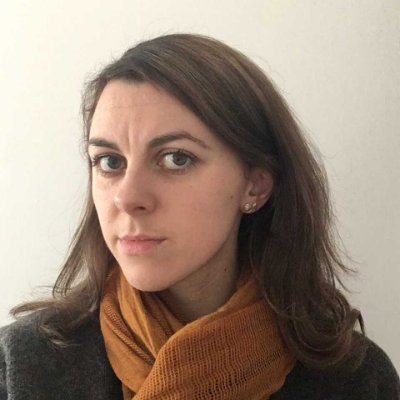
Cleopatra Selene was a powerful figure in her time, but was largely overlooked until your book. Why do you think Cleopatra Selene and other powerful women of the past effectively disappeared from history?
Cleopatra Selene and other powerful women of the past have effectively disappeared from history for several reasons. The first is that they were genuinely excluded from most of the formal political and military positions of power that were responsible for shaping world history, and the second is related to that – while they certainly had informal political and military power, the ancient authors recording events preferred not to acknowledge that unless it offered an opportunity to pass comment (usually negative) on the men they were connected to. So during the Late Roman Republic, Roman women could not hold magistracies or imperium, so could not speak in the Senate, vote on or enact legislation, or raise and command armies, but they could wield a considerable amount of influence behind the scenes, hosting social events, lobbying other well-placed women to intercede with their men-folk and so on. And the third is that (predominantly male) historians from later periods have taken the ancient literary evidence largely at face value, and not questioned the fact that women don’t tend to appear in it except in exceptional circumstances. It’s only in the last few decades that historians have started deliberately searching for, and finding, the women. And while not Roman, client queens like Cleopatra and Cleopatra Selene suffered from the fact that it was, in the main, Roman authors writing about them, so they were judged according to Roman standards, and Cleopatra is excoriated because of her husband and Cleopatra Selene is ignored in favour of her husband. Finally, for many modern historians, they baulk at the relatively slim Greek and Latin literary evidence, and it doesn’t necessarily occur to them to look for other types of evidence such as documentary and archaeological evidence to supplement that. Academics can often get quite uncomfortable about stepping outside of their somewhat arbitrary disciplinary boundaries.
What overlooked woman from the ancient world would you most like to read a biography of, and why?
I would love to read a biography of Queen Amanirenas of Kush. She was Cleopatra VII’s contemporary and next-door neighbour, but unlike Cleopatra she was able to fend off the emperor Augustus’ Roman legions and their imperialistic ambitions to seize her kingdom and turn it into a Roman province. She was a one-eyed warrior who led her army into Egypt, sacked many towns, pulled down all the statues of Augustus that had been set up, and even took the head of one home to Kush and buried it under the steps of the temple to the goddess Victory in the capital city of Meroe, so she and her fellow Kushites could walk on it until two thousand years later when archaeologists discovered and excavated it. This head is now on display in the British Museum, a permanent memorial to rare Roman military defeat, and one masterminded by a woman at that. She is a less well-known but much more successful version of Boudicca.
What work of women’s history have you read lately that you loved? (Or for that matter, what work of women’s history have you loved in any format? )
The best work of women’s history that I have read recently is Emma Southon’s A History of the Roman Empire in 21 Women. Brilliantly researched and written, simultaneously managing to be erudite, filthy, and funny. No one writes about the Romans quite like Emma.
[For anyone who missed it, a mini-interview with Emma Southon ran on March 6. The title in the U.S. is A Rome of One’s Own. I’m currently reading it and agree with everything Jane said about it.]
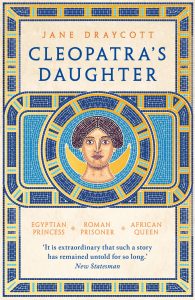
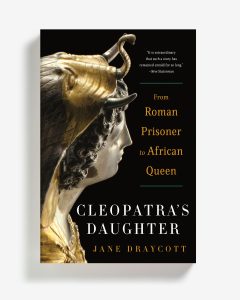
A question from Jane: Who is your favourite female historical figure, and why?
I never know how to chose when asked this kind of questions. There are are many historical women who I admire or who fascinated me. But the answer that will make my editor, my agent, my publicist, and My Own True Love happy is Sigrid Schultz, the subject of my book that is coming out in August. She really was quite a gal. She was the Chicago Tribune’s Berlin bureau chief from 1925 to 1941 and one of the first reporters to warn American readers about just how dangerous the Nazis were. She was smart, courageous, and equal parts charming and prickly.
Now that I think about it, most of my favorite women in history could be described in similar terms.
***
Want to know more about Jane Draycott and her work?
Visit her website: https://drjanedraycott.co.uk/
Follow her on the platform previously known as Twitter: @JLDraycott
Follow her on Instagram: jane.draycott.
***
Come back tomorrow for three questions and an answer with Carolyn Whitzman, author of Clara at the Door with a Revolver: The Scandalous Black Suspect, the Exemplary White Son, and the Murder That Shocked Toronto
Talking About Women’s History: Three Questions and an Answer with Catherine McNeur
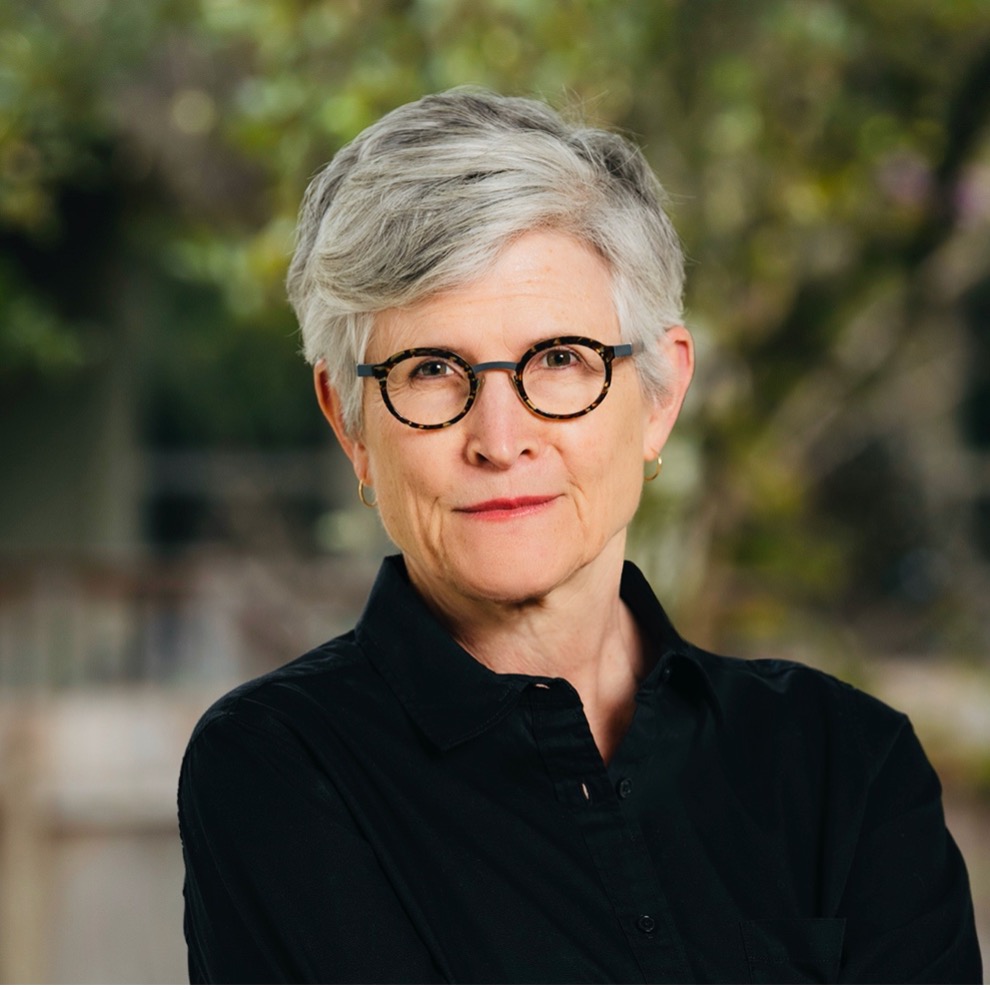
Catherine McNeur is an associate professor of history at Portland State University where she teaches courses on environmental history, the history of science, food history, and public history. Her first book, Taming Manhattan: Environmental Battles in the Antebellum City, won the American Society for Environmental History’s George Perkins Marsh Prize, the New York Society Hornblower Award, the Society for Historians of the Early American Republic’s James H. Broussard Best First Book Prize, and the Victorian Society of America Metropolitan Book Prize, as well as dissertation prizes from Yale University, the American Society for Environmental History, and the Urban History Association. Taming Manhattan looks at how loose hogs running through the streets, urban sanitation debates, and the location of green spaces were integral parts of the social unrest facing New York City at a moment of dramatic urbanization.
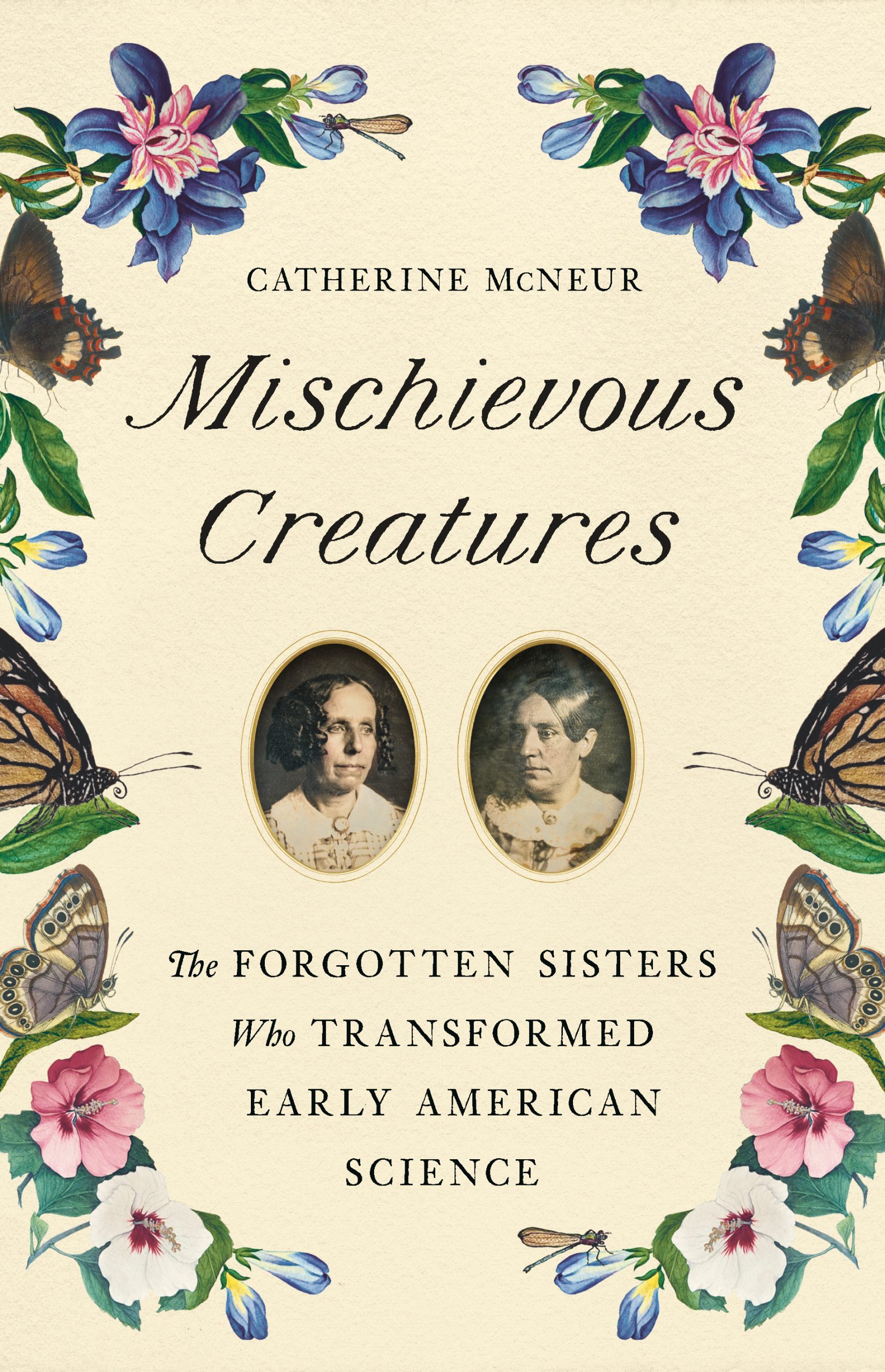
In her second book, Mischievous Creatures: The Forgotten Sisters Who Transformed Early American Science, she uncovers the lives of the entomologist Margaretta Hare Morris and botanist Elizabeth Carrington Morris. Though both sisters were at the center of scientific conversations and debates in the middle of the nineteenth century, they’ve long been written out of histories of science. Mischievous Creatures recovers their lives and work, while also investigating how these erasures occur.
Take it away, Catherine!
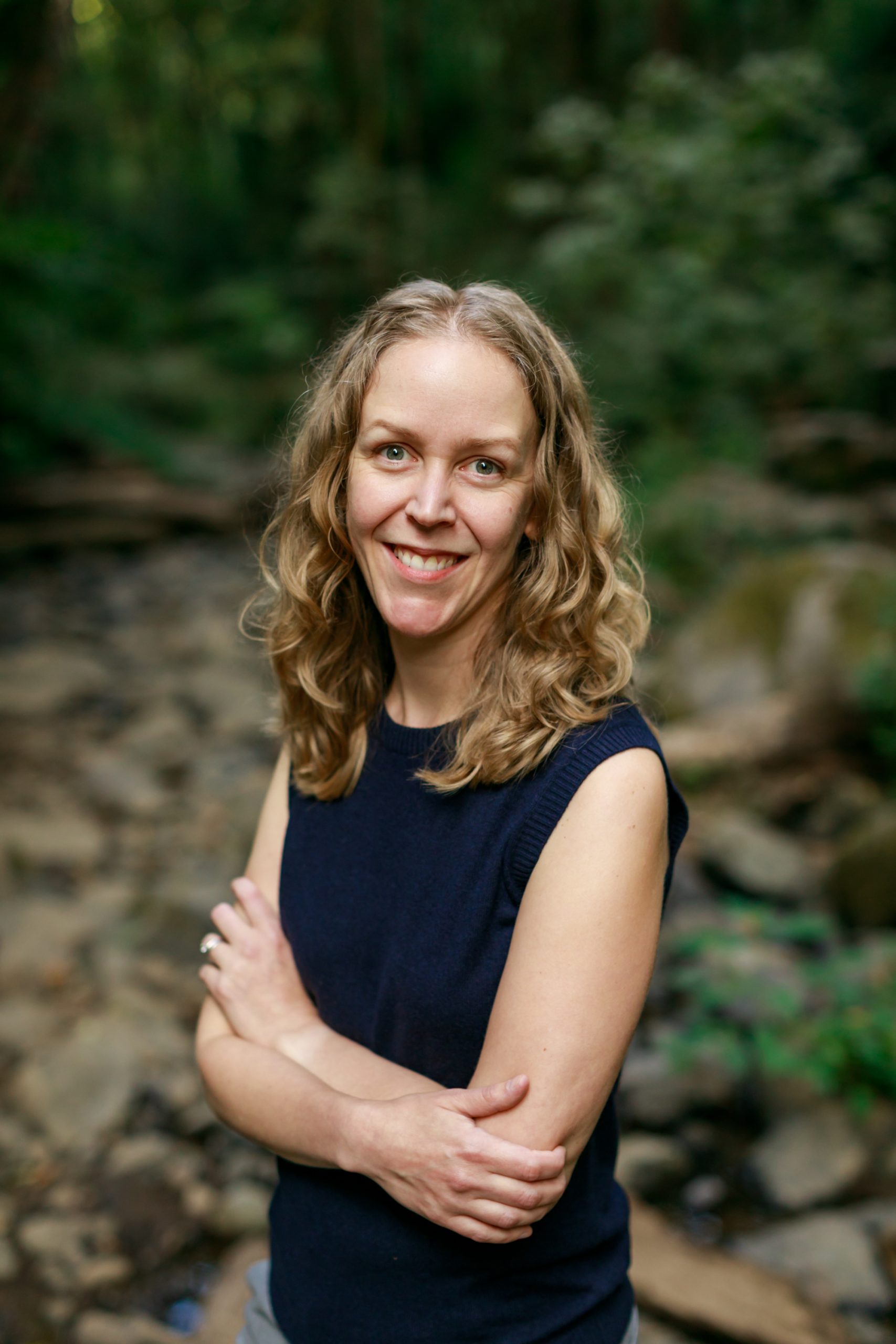
Credit: Andrea Lonas
What path led you to the Morris sisters? And why do you think it is important to tell their story today?
I never set out to write a book about the nineteenth-century scientists Margaretta Hare Morris and Elizabeth Carrington Morris. My plan had been to investigate the history of the much-hated (but sometimes loved) Tree of Heaven in American cities. However, while searching through the papers of a botanist who had written about that tree, I stumbled upon 250 letters written by someone named Elizabeth Morris. Googling her turned up very little at the time, not even a Wikipedia page, but I eventually learned that she was a botanist and her sister Margaretta was a renowned entomologist. Coincidentally, a month later I was doing some research in one of Harvard’s collections and fell across letters from Margaretta Morris. After reading through those letters, it was clear that Margaretta was struggling to be seen as a peer by other entomologists. “I have panted for the sympathy of someone who could appreciate my love of the science, and overlook my want of that learned love derived from books that are, generally speaking, out of woman’s reach,” she wrote. “The book of nature, however, has been widely spread before me, and countless hours of inexpressible happiness I have had in the study, there.”
I was captivated by Margaretta’s words and at the same time confused by the fact that no one had written about these women. Margaretta, after all, was one of the first women elected to the American Association for the Advancement of Science and the Academy of Natural Sciences. I wanted to know more about both sisters lives and also why we keep finding all these “hidden figures.” The fact that I stumbled across them was no mistake—many of their peers are similarly forgotten or erased and therefore hard to find in the archives. Recovering these stories, though, makes it possible to see that our current push to diversify the STEM fields has a long and complicated history where women were actually present at the very start of these professions.
Writing about historical figures like the Morris sisters requires living with them over a period of years. What was it like to have them as constant companions?
Writing biography really does require that you live with your subjects, doesn’t it? Delving into their scientific passions and discoveries, figuring out the romantic dramas affecting their lives, parsing the messages they sent to friends, even reading a neighbor’s gossipy diary that tracked their comings and goings—it all made nineteenth-century Philadelphia really come to life for me. These women, in many ways, feel very much like old friends now. This is perhaps especially true as they were my company (and my family’s company) during the COVID-19 lockdown.
I found, too, that they affected the way I experienced my daily life. Margaretta, for instance, adored what she called her “little friends the Insects” and never passed a spider web or a cluster of flies without stopping to see what she might find. On a neighborhood walk when I found myself engulfed in a cloud of tiny flies and began swatting them away from my face, I stopped to think that Margaretta might not have swatted them. Or as I was editing a chapter in a park and found a tiny beetle making its way across my page, I didn’t hurry to knock it away but instead spent some time closely observing it. In order to be conversant in Elizabeth research, I also ended up learning quite a lot about ferns and now I spend a lot of time reveling in all the maidenhair ferns, sword ferns, and licorice ferns I find on my neighborhood walks. By writing so passionately about entomology and botany, the Morris sisters transformed the way I, too, saw the world around me.
What unsung woman scientist from the past would you most like to read a biography of, and why?
One thing I learned quickly while doing research for this project is that there are so many little-known nineteenth-century women who were scientists and were as well-trained as many of the men who we know to be the “founding fathers” of various scientific fields. There are several women who should have biographies written about them, including Isabella Batchelder James, a botanist who studied the origin of plant scents among other subjects, and Sarah Coates Harris, another botanist who also lectured on women’s health and hygiene and fought for women’s rights in the mid-nineteenth century. One person who is really overdue for a new biography, though, is Dorothea Dix. She’s best known for her reform work with mental health asylums and her work managing nurses during the Civil War. However, she was also a scientist. She published articles in leading scientific journals about insects she had discovered and on all of her travels for work, she collected plant specimens and seeds and sent them to other botanists around the country. She was very much a scientist as well as a reformer, but that part of her life is little known. The biographies that do exist on her woefully underestimate both her and her work. She was a close friend of Elizabeth and Margaretta Morris and from what I’ve been able to find, she was likely in a romantic relationship with Margaretta. How I would love to read a book that truly takes her life and work seriously and sees her for who she was.
[Pamela butting in here: I spent a lot of time reading about Dorothea Dix when I was working on Heroines of Mercy Street and I didn’t read anything about Dix the scientist! Even the women whose stories are told are often reduced in the telling.]
A question from Catherine: Thank you so much for reading Mischievous Creatures and inviting me to participate in this wonderful exchange, Pamela! When I speak with readers at book events, I’m always delighted to hear what stood out to them or what they found relatable in the book. Was there any part that particularly captured your attention?
I am eternally fascinated by the ways in which women are erased from history, in this case by the process of creating scientific professions. Beyond that, I was intrigued by the fact that they were sisters, and the ways in which they worked together despite the differences in their fields of study and personalities. (Or perhaps because of those differences.) The comparison with the Blackwell sisters was unavoidable.
***
Want to know more about Catherine’s archival finds and writing?
Visit her website: https://www.catherinemcneur.com/
Follow her on Instagram: @catherine_mcneur_writer.
***
Come back tomorrow for three questions and an answer with historian and archaeologist Jane Draycott, author of Cleopatra’s Daughter
Talking About Women’s History: Three Questions and an Answer with Dr. Catherine Musemeche
Catherine “Kate” Musemeche is a graduate of the University of Texas McGovern Medical School in Houston, Texas and the University of Texas School of Law. Musemeche’s first book, Small, was longlisted for the E.O. Wilson/Pen American Literary Science Award and was awarded the Texas Writer’s League Discovery Prize for Nonfiction in 2015. Her second book, Hurt, was named one of the top ten EMS books of the decade. She has also contributed to Smithsonian Magazine, the Wall Street Journal, New York Times’ “Motherlode” blog, KevinMD.com, Creative Nonfiction magazine and EMS World. She lives in Austin, Texas.
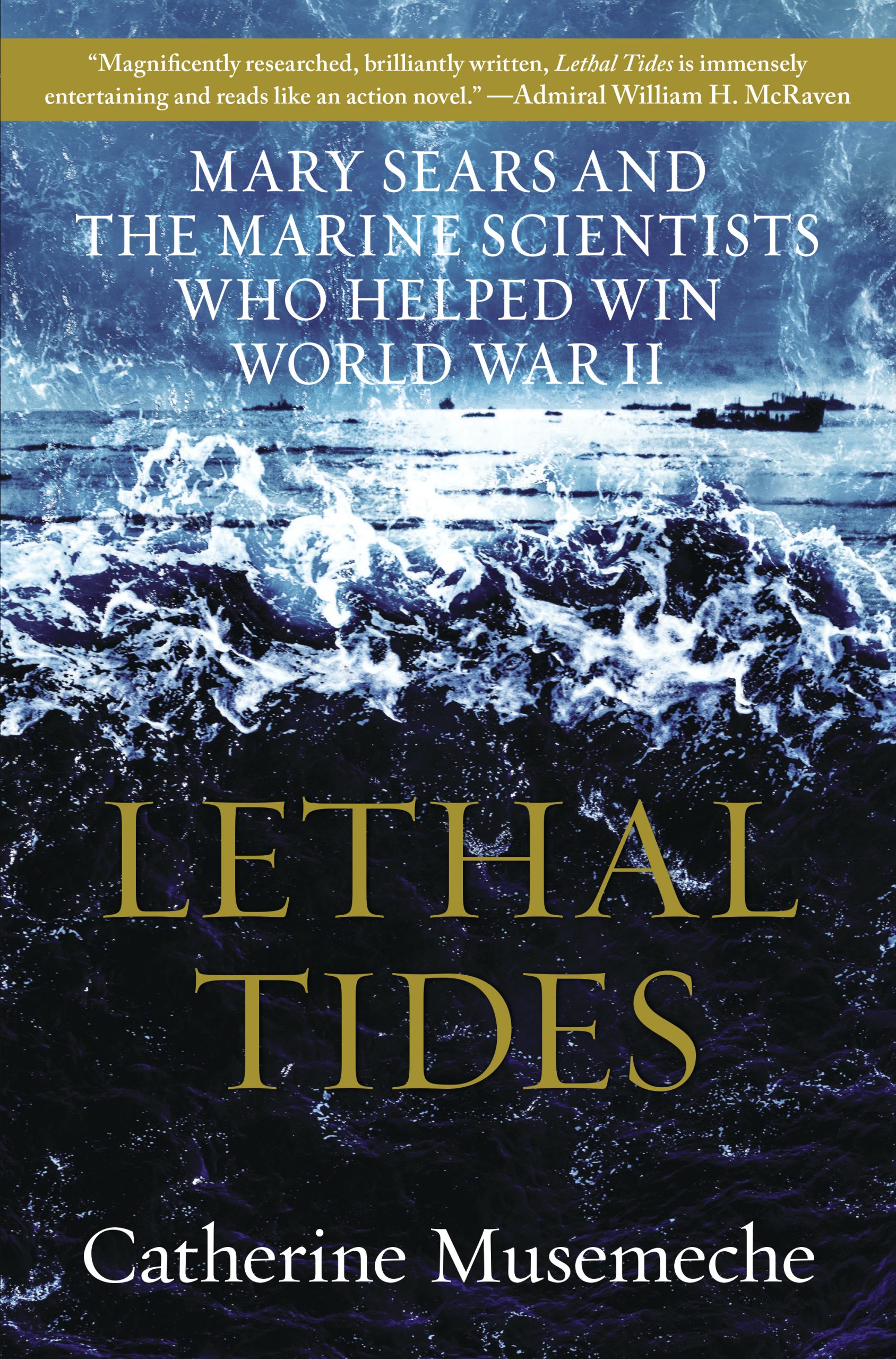
In her most recent book, Lethal Tides: Mary Sears and the Marine Scientists Who Helped Win World War II, Musemeche tells the story of how the U.S. Navy was unprepared to enact its island-hopping strategy to reach Japan when World War II began and how oceanographers came to the rescue. Anticipating tides, planning for coral reefs, and preparing for enemy fire was new ground for the navy, and with lives at stake it was ground that had to be covered quickly. They turned to Mary Sears, an overlooked oceanographer with untapped talent who, along with a team of colorful and quirky marine scientists, became instrumental in turning the tide of the war in the United States’ favor. Sears and her team helped the navy “solve the ocean” by guiding them to optimal landing sites in the Pacific and by identifying thermoclines, temperature gradients in the ocean, where U.S. submarines could hide from the enemy.
How could I resist a story like that? Take it away, Kate!
Lethal Tides straddles the boundaries between biography, science writing, and military history. How did you balance the three very different components of the story?
Thank you for noticing the three strands. Rather than seeing it as straddling, I attempted to weave the three strands—Mary Sears’ service in World War II, the nascent science of oceanography and the coming of age of the amphibious forces in World War II. I was elated when I realized I had these three strands to play with. What writer doesn’t dream of such narrative gold? When I learned that oceanography was a very new science at the advent of World War II (there were only about 100 trained oceanographers in the country and no oceanography majors per se) and that our amphibious forces, which had been conceived between World War I and World War II, were entirely untested that just made Mary Sears’ story all the more irresistible to me.
At the same time, however, weaving these three strands presented a massive challenge in terms of structure. Part One of the book is getting all the parts/people to the right place at the right time to launch central prong of the Pacific Campaign. Part Two follows the invasion schedule of the Pacific Campaign, working in, not just the challenges presented by each unique island target but also various advances in oceanography made along the way.
We are seeing more and more accounts of women who played vital roles behind the scenes in World War II. Why do you think such stories were left out of the traditional histories of the war? And why are we re-discovering them today?
Each story of an unsung hero be it the story of a woman in science, an African American soldier, a Mexican American pilot, or some other person who was left out of the initial round of historical narratives, broadens our understanding of not only who helped win World War II but also what was required to win World War II. By telling the story of Mary Sears in World War II, I am also shining a light on oceanographers and really, all scientists who contributed to that war, in much the same way as the movie Oppenheimer is doing.
In the past when we thought of wars we thought of the men fighting them and the weapons they used, maybe the geography but a whole lot more goes into conducting a war including science, technology, medicine, supply chains and the people who unload boxes of supplies on beaches in the middle of the Pacific Ocean. To include these new stories is to enrich our understanding of military history and there are some terrific stories out there waiting to be told.
These stories are emerging now, I think, for two major reasons. First, the history of World War II is being told by the people who can identify with these stories and publishers know there is a market for these stories and want to get them out there.
Your previous books dealt with specifically medical issues. Was it a challenge to make the leap to a historical narrative?
Lethal Tides did take me out of the world of medicine, my comfort zone, but at least the narrative centered around a scientist and the science of oceanography. As an academic surgeon I spent many years working alongside various scientists. I know the pressures scientists are under and how difficult it can be to get the data to conform to expectations.
There is definitely a learning curve in constructing a book-length narrative. I was fortunate that this story naturally lent itself to that structure. My challenge was more in combining three adventure stories into one continuous narrative thread composed of a character arc, the arc of a developing science and the arc of the amphibious forces. Another part of the challenge with telling the stories of historical figures who are all deceased, is digging out some details about what their daily lives were like. Even if someone remembers the person they are unlikely to know anything about their World War II service.
A question from Kate: What would you do if you had a tremendous idea for a new book about an unsung woman hero and your agent told you she didn’t think she could sell it? Have you ever had to deal with rejection in the literary world? What are your best coping mechanisms?
Rejection is something that all of us who are involved in traditional publisher have to deal with. It’s never easy. (And for the record: I had two book proposals rejected over the years, one by a series of publishers and one by my then agent.) As far as coping goes, I allow myself a little time to stomp around and shake my fists. Then I remind myself that it is not personal, and try to understand the rationale behind the rejection before I make a decision about what to do next.
***
Want to know more about Dr. Catherine Musemeche and her work?
Visit her website: http://catherinemusemeche.com/
***
Come back tomorrow for three questions and an answer with historian Catherine McNeur, author of Mischievous Creatures.