




Edith Wharton’s Morocco, A Literary Pilgrimage, a guest post by Stacy Holden
Today I’m going to give you a little break from the Great River Road. We’re still going to be on the road, just further afield. Morocco in fact, courtesy of writer, historian and traveler Stacy E. Holden.
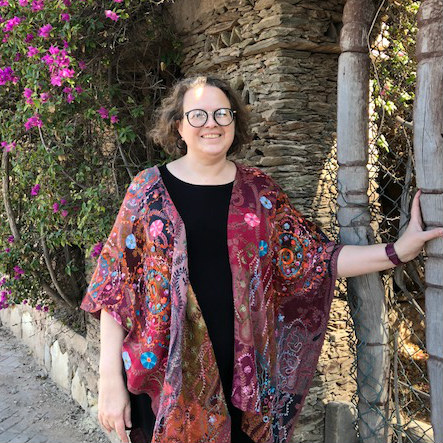
Stacy is a history professor at Purdue University. Her published works focus on everyday life in the Arab world as well as Western representations of the Middle East and North Africa. She has written on historic preservation, UNESCO heritage sites, and even post-9/11 romance novels set in imaginary Arab kingdoms. She is now working on a book about how Edith Wharton shaped American attitudes toward the Middle East and North Africa.
I don’t remember who introduced us to each other, but thank you whoever you are. We’ve been talking about history, writing, and travel ever since.
Take it away, Stacy!
In 1917, Edith Wharton traveled to Morocco for five weeks, and three years later she published In Morocco. Even today, her travel account reads like “Top Ten Things To Do in Morocco 2022.”
When Wharton disembarked in Tangier, this North African kingdom had been a French colony for only five years. In Morocco was the first account of colonial rule in Morocco by an American author and for an American audience. This information is key to understanding the importance of this book. Wharton backs French colonial rule, even though the US, first under Republican President William Howard Taft and then Democrat Woodrow Wilson opposed France’s imperial expansion.
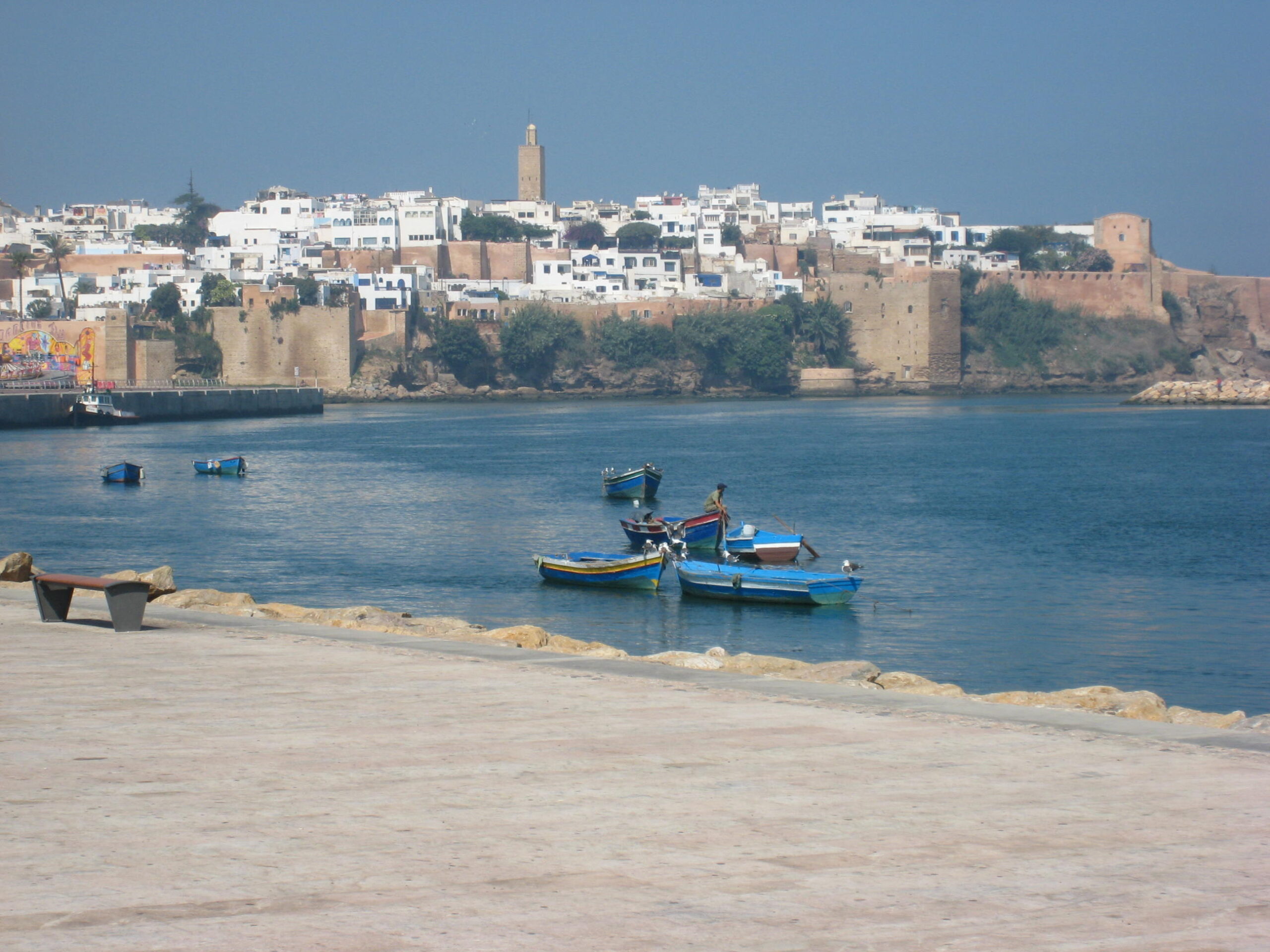
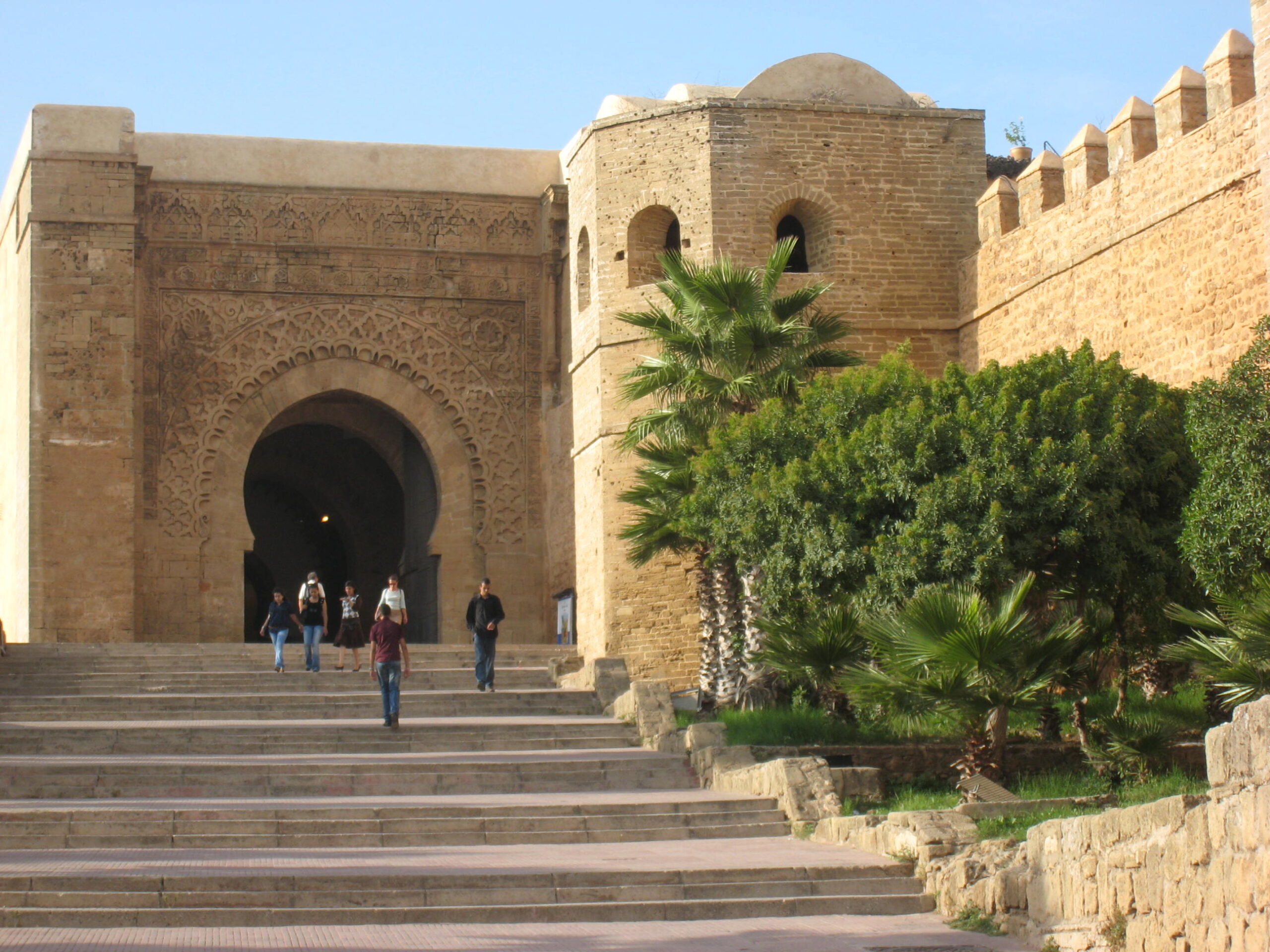
Wharton was an official guest of the colonial administration, and French scholars and officers accompanied her everywhere she went. They took her to colorful bazaars and spice markets, medieval mosques and ancient mausoleums, walled cities of the premodern era, and even a purported pirate lair. Wharton’s traveled southward from Tangier, stopping in Ksar el Kabir, Rabat, Salé, Casablanca, Meknes, Volubulis, Moulay Idriss and Fez before reaching Marrakesh, her ultimate destination.
The travelogue appeared in bookstores three years after her trip, in November 1920. The Age of Innocence was also published that month, a novel that secured Wharton’s literary fame. The fictional account of Gilded Age Society in New York City epitomizes Wharton’s keen eye for small details.
But if observation were a superpower, Morocco would be Wharton’s kryptonite. Her first-hand account of Morocco conveys a fantasy. Instead of realistically portraying life in colonial Morocco, Wharton claims, “Everything that the reader of the Arabian Nights expects to find is here.” She never discusses the hardships of colonized Moroccans or the war in Europe. Instead Wharton refers all-too-often to djinns, flying carpets, harem ladies, and “a princess out of an Arab fairy tale.”
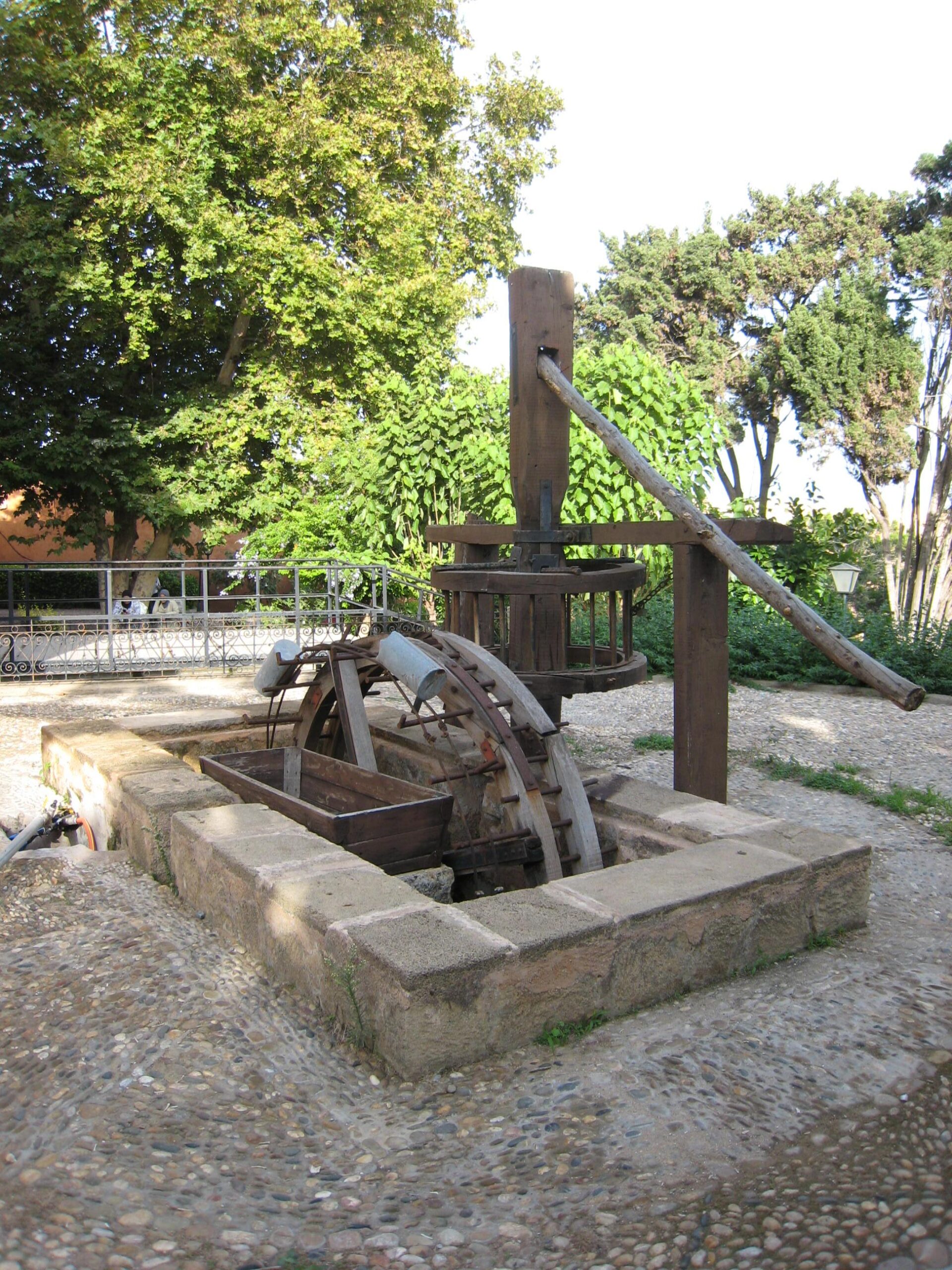
As a professional historian, my research focuses on the modern Middle East and North Africa. I have traveled back and forth to Morocco since the late-1990s and lived full-time in Rabat, the capital, between 1999 and 2002. My travels have led me to read and visit all the sites Wharton describes.
Wharton’s travelogue does not accurately portray life in Morocco—her descriptions are fantastical and often false—yet Wharton fans and scholars should not neglect this work. In Morocco sheds light on what made Wharton tick as a writer, why she endorsed French imperialism, and how literary figures like Wharton—a woman without a government position—shaped American ideas about the world.
Amanda Mouttaki and I have decided to organize a ten-day tour of Morocco together, retracing Wharton’s footsteps. Amanda is a travel planner based in Marrakesh, and our trip merges her expertise in tourism with my own knowledge of American literature and Moroccan history.
Morocco is my “second home,” and I want to share my knowledge of it with travelers interested in the experiences of Edith Wharton and the history of the Arab world.* I also look forward to conversations with travelers, who, with their fresh sets of eyes, raise unexpected questions that can foster interesting conversations and thus allow me to reflect and process information in new ways.
At the end of the day, I hope we can all sit down and talk about what Wharton said in In Morocco. She wrote, “Everything that the reader of the Arabian Nights expects to find is here.” By the end of our ten-day tour, you will be as able to explain and critique this statement as I, merging knowledge of local sights, Wharton’s life and travels, and critical analysis among member of our small group.
For more information, you can click on this link. I look forward to seeing you in November 2022.
*Don’t get me wrong, there will be time for decompressing poolside with mimosas.
[Pamela here: I would sign up for this trip in a heartbeat if I didn’t have a book deadline hanging over my head.]
From the Archives: Button, Button, Who’s Got the Button?
We drove through Buffalo Iowa early on a Sunday morning, just as Judy’s Barge Inn, a local variation of the more common Dew Drop Inn, was opening for the breakfast crowd. It was too early for a local historical society to be open. It was not too early to stop and read the local historical marker, which reminded us that Buffalo, like other small towns along this stretch of the Mississippi was part of the nineteenth century’s button boom, which we learned about in 2019 during an earlier trip on the Great River Road.

The nineteenth century button industry based on fresh-water mussels was a recurring theme of our ten days on the Great River Road this year.
In 1891 a German button manufacturer named John Frederick Boepple opened a button factory in Muscatine, Iowa, after a change in tariff laws caused his business in Germany to fail. Shell buttons weren’t new. The Boepple family had made buttons from shells and horn for many years. But the plentiful mussel shells found in the Mississippi River near Muscatine were thick and well suited for cutting into buttons.
At the time that Boepple opened his small factory, the McKinley tariff of 1890 meant that imported shell buttons were expensive. The original foot-operated lathes that Boepple adapted from those used to make buttons from ocean shells were designed to allow skilled craftsmen to create a button from beginning to end, which meant that even without the additional cost of the tariff buttons were not cheap.* With the introduction first of steam-powered lathes and then a revolutionary machine called the Double Automatic that, well, automated the process, attractive mother-of-pearl buttons were affordable to the average household. By the late nineteenth century, buttons made from river mussel shells were so popular that bars in at least one river town accepted mussel shells as payment.
Like other industries along the Great River Road, buttons were a boom and bust business. “Clammers” earned good livings harvesting shells from the river in large quantities. Button factories sprang up in towns up and down the Mississippi, creating hundreds of factory jobs and more opportunities for cottage industries where women and children sewed buttons to cards at home. In the same way that the logging industry overcut the great forests of Minnesota and northern Wisconsin, by the 1920s, the button industry had decimated the Mississippi’s mussel population, and precipitated its own demise.**
* Today we tend to think about buttons as nothing in particular. Or more accurately, unless you knit or sew, you probably don’t think about buttons at all unless you have to sew one back on your jacket. (A skill everyone should learn, in my opinion.) But historically buttons were a luxury item: made by hand and often from expensive materials. It turns out there was a good reason my grandmothers (and probably yours) kept a button jar. (For that matter, I still have one.)
For those of you who’d like to know more, I recommend this article:
http://www.slate.com/articles/life/design/2012/06/button_history_a_visual_tour_of_button_design_through_the_ages_.html
** The related story of efforts to restore the river mussel population was also a recurring theme of our trip. At one time there were 51 species of mussels in the upper Mississippi; today theater are 38, eighteen of them endangered.
Road Trip Through History: The Putnam Museum
My Own True Love and I make a point of visiting local historical museums whenever we’re on the road.* What a museum choses to focus on can tell you how a community or a region defines itself. Even a museum that seems at first glance to be an uncurated (or as autocorrect intriguingly suggests, uncharted) collection of stuff tells a story with the choices it makes.
The Putnam Museum in Davenport is an excellent example of the hybrid natural history/history museum that we occasionally find in smaller cities. As always, the combination is a reminder that a region’s natural history is the basis on which its human history is built.
We spent our time in the museum’s two major exhibits.
The first, titled Black Earth Big River, focuses on the natural history of the area, beginning with the different habitats that make up the area and ending with today’s small city version of an urban environment. I was fascinated by the exhibits dealing with prairie grass and the creation of black earth, which the exhibit dubbed “prairyerth.” This exhibit was a useful counterpart to the story of John Deere’s creation of the self-scouring steel plow: the root patterns of prairie grass are pretty amazing. (Take a look at the illustrations in this Nat Geo piece: Digging Deep Reveals the Intricate World of Roots )
The second, titled River, Prairie and People, began with the geographic history of the region, and then followed the history of humans in the region from the earliest peoples who reached the region through the mid-twentieth century. I was pleased to see a sign at the front of the exhibit asking visitors to help make the museum more inclusive and drawing attention to signs throughout the exhibit marked “New Content,” all of which added stories about women and people of color in the Quad Cities.** In at least one case, a “New Content” sign fleshed out a reference in an existing exhibit, allowing an important woman to appear in her own right who had previously been referred to only as her husband’s wife.
Three stories in particular caught my imagination:
- Alexander Brownlie and his brothers, who were trained masons, created a unique form of sod house. Most sod houses, known as soddies, were made from mats of sod. The Brownlies pounded sod into molds and created firm blocks that were essentially sod bricks. They used them to create sod and clay walls that were a foot thick and could support a two story structure. Luxury living on the prairie!
- During World War II, children collected 25 million pounds of milkweed pods, which were used to fill 1.2 million military life vests. Twenty-six ounces of milkweed floss could keep a 150 pound soldier afloat in salt water for 48 hours. That is a LOT of milkweed.
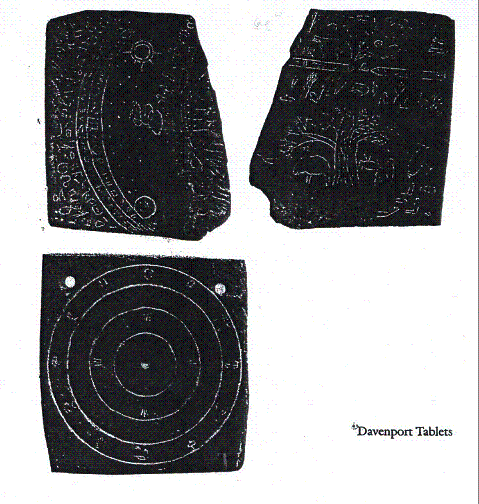
Image courtesy of Stephen Williams – https://phrontistery.info/para/a05/a05-pinsky.htm
- In 1877, amateur archeologist Rev. Jacob Gass discovered three inscribed slate tablets in a local burial mound. The tablets, which were inscribed with what he took to be characters of an ancient language depicted a cremation scene, a hunting scene, and an astronomical calendar . Gass believed they were proof that the mounds had been built by an ancient people of European ancestry rather than Native American peoples.*** The Davenport Tablets were initially hailed as an American Rosetta Stone, but scholars, including a team from the Smithsonian, soon began to look at them more carefully, using new techniques that would help change the nature of archeological study. The final consensus was the the tablets were frauds. Oddly, there is reason to believe that Gass was the victim of the fraud, which was perpetrated by members of the Davenport Academy of Sciences as a way to embarrass Gass. Which seems like an odd thing for adult scientists to do.
* In fact, my love affair with local historical museums dates from high school. My friends and I hung out at the local historical museum the way the kids from Happy Days hung out at Al’s Diner. But that’s a whole different story.
**This is becoming more and more common in the museums we visit, and I, for one am mighty happy to see it.
***A popular idea at the time. And by European, they meant ancient Egyptian. Don’t get me started.