




Talking About Women’s History: Three Questions and an Answer with Marcia Biederman
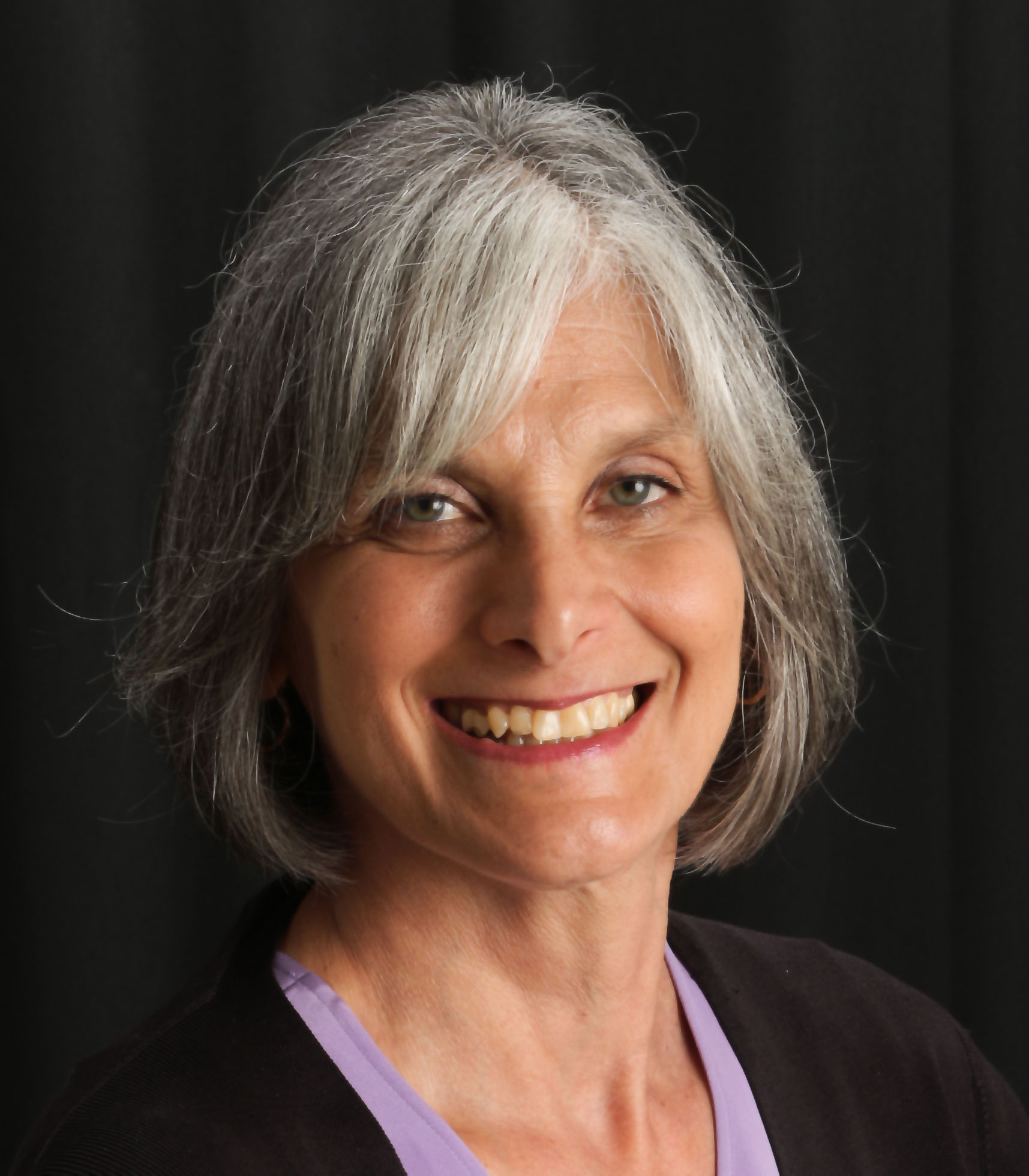
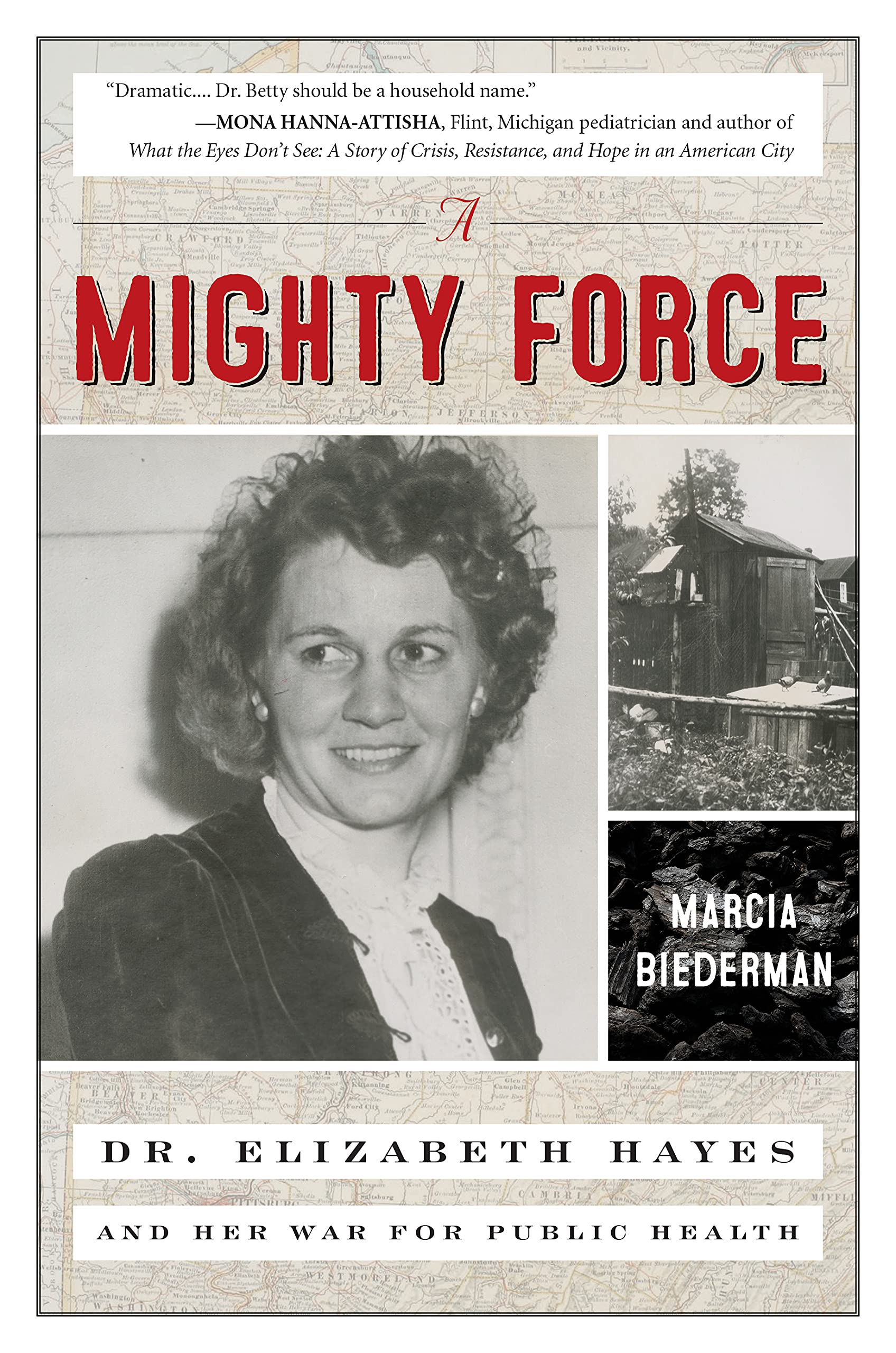
Marcia Biederman has contributed more than 150 articles to the New York Times, writing about everything from ice dancing to automobile wheel repair. Her work has appeared in New York magazine, the New York Observer, the Daily News, and Crain’s New York Business. A former mystery novelist, she’s the author of three biographies, Popovers and Candlelight: Patricia Murphy and The Rise and Fall of a Restaurant Empire (SUNY Press 2018), Scan Artist: How Evelyn Wood Convinced the World That Speed Reading Worked, (Chicago Review Press 2019), and A Mighty Force: Dr. Elizabeth Hayes and Her War for Public Health (Prometheus Books 2021).
Take it away, Marcia!
You write about women who were well known during their lifetimes (which were not that long ago), who had an impact on their world, and who are not well known today. Why do you think we forget the roles women have played in history so quickly?
As twentieth-century women, my biographical subjects had to buck prejudice about women’s roles to grab the public’s attention and approval, even temporarily. The two who were entrepreneurs, restaurateur Patricia Murphy and speed-reading marketer Evelyn Wood, had to market their brands relentlessly to gain recognition. Murphy drew record-breaking crowds to her enormous restaurants in New York State and southern Florida; Wood enrolled hundreds of thousands in her courses. However, their fame ended with the conclusion of the ad campaigns. Murphy’s restaurants never entered the annals of food history, the way the Four Seasons did. Wood’s brand lived on after her death, but many people thought of her as a fictitious figure, like Betty Crocker.
Both were in fields deemed appropriate for females – cooking and teaching – although Murphy couldn’t boil water, and Wood had spent little time in a classroom. But, if being women enhanced their brands in their lifetimes, it worked against them later on. Food critics and newspaper feature writers belittled Patricia Murphy’s Candlelight restaurant chain because its patrons were mostly female. In fact, late in her career, Murphy opened a men-only dining room in Florida to try to scrub off the “tearoom” taint. As for Evelyn Wood, until debunkers exposed her speed-reading method as a shame, she was one of the century’s great con artists. But no one recognized her as such. As we see today in the cases of Elizabeth Holmes and Anna Delvey, people are reluctant to believe that women can be scammers..
Erasure was completely different for my most recent biographical figure, Dr. Elizabeth Hayes, who in 1945 led 350 coal miners on a successful strike for clean water and decent housing in their company-owned town. In the final weeks of World War II, Hayes and the strikers dominated headlines. Every news outlet in the country, from the Socialist Call to Business Week, was rooting for “Dr. Betty’s miners,” as they were known. The “we-can-do-it” spirit of the times briefly blurred gender roles. Thirty-three years old, Hayes made a great 1940s heroine, taking on a powerful mining company with bold leadership and quotable quips.
But, unlike the women of my other two biographies, Hayes had never sought the spotlight, and she didn’t spend money on ads and publicists to keep herself visible. Hence, it was a fairly easy task for history to erase her. Her struggle inspired President Harry S. Truman to commission a medical survey of coal communities, but the admiral leading it didn’t acknowledge Hayes or invite her participation. For a while, she gave talks about the strike, eventually disappearing into private life. Like a meteor streaking across the sky, she had a brief moment of fame, which I had the privilege to discover and, I hope, revive.
You published mystery novels before you made the leap to writing non-fiction. Does your experience as a novelist shape how you write narrative non-fiction?
Yes, I’m definitely able to apply the techniques of mystery writing to my narrative nonfiction. I can’t make anything up, but I can find the drama in real-life events.
When I was having trouble with an early draft of one of my books, I scheduled a mentoring session with Cathy Curtis, a past president of Biographers International Organization who has written several amazing biographies of women. She advised me to look for a “Rosebud moment.” I immediately knew what she meant. Looking at the life I was chronicling, what was the person’s driving motivation? I also look for antagonists, reactions to setbacks, and big life-changing decisions.
There are some differences, though. Because the women I write are unknown to many readers, I begin with a prologue that establishes their importance. For Patricia Murphy, this was the launch of her memoir at Macy’s, where she set a record for the number of books signed. For Evelyn Wood, it’s at a teacher’s convention in Atlantic City, where teenagers demonstrating her speed-reading techniques wowed the crowds and sent reporters racing to their typewriters. For Dr. Elizabeth Hayes, it was the raiding of her medical office by enraged mining officials who forcibly evicted her, confiscating her stethoscope, patient records, and medications.
What was the most surprising thing you’ve found doing historical research for your work
Like many Baby Boomers, I grew up thinking that all Americans pulled together on the US homefront throughout World War II. Sure, I knew about the black marketeers and other profiteers, but I thought the nation on the whole devoted itself to the war effort until V-J Day. Researching A Mighty Force, I discovered that a phenomenon called “peace jitters” was widespread. Toward the end of the war, Americans felt confident that the Allies would win, so they started jockeying for position in postwar prosperity. They quit defense jobs to seek positions in sales, for instance. Meanwhile, corporations were prematurely planning to ditch weapon-making so they could manufacture appliances instead. Alarmed, the federal government tried to enforce wartime restrictions, but there were ways around them. In other words, the Mad Men-style rat race started earlier than I thought.
Question for Pamela: If you had to recommend one biography of a woman to other biographers or aspiring biographers (not necessarily to all bio readers) what would it be and why?
You asked for one. I’m going to give you three because I think they offer different lessons. (They are all also compulsively readable.)
Nancy Marie Brown. The Real Valkyrie: The Hidden History of Viking Warrior Women. This was one of the best books I read in 2021, and I’m recommending it to lots of people for lots of different reasons. Brown builds a possible life story for the Birka Woman—the Viking warrior remains that Swedish scholars proved were those of a woman, not a man as had been assumed for more than 130 years. The Real Valkyrie offers biographers is an object lesson in re-examining assumptions, using your imagination in looking for sources, and squeezing every drop of information out of the sources you have.
Helen Castor. Joan of Arc. Castor provides an excellent example of how to bring new life to a familiar subject, signaled in the use of “a history” rather than “a biography” as a sub-title. Instead of starting with Joan, she begins with the turbulent history of fifteenth century France, placing Joan’s achievements within the context of the bloody civil war that began with the assassination of Louis, Duke of Orleans, at the instigation of his brother, the Duke of Burgundy, in 1407. In doing so, she makes story of St. Joan more understandable, more complex, and more extraordinary.
Matthew Goodman. Eighty Days: Nellie Bly and Elizabeth Bisland’s History Making Race Around the World. Eighty Days is more than an adventure story, though Goodman manages the difficult trick of maintaining suspense when the reader knows who wins the race. The lesson for biographers, though, is the way Goodman places his story in context. He does not limit himself to a step-by-step narrative of his heroines’ travels. Instead he uses the race to illustrate the social impact of new modes of transportation, a growing popular press, and new opportunities for women. The result is a social history of America on the verge of modernity. Personally, I believe this rich use of historical context is something every biographer should aspire to.
* * *
Want to know more about Marcia Biederman and her work?
Check out her website: Marciabiederman.com
Follow her on facebook: https://www.facebook.com/AMightyForce
* * *
Come back tomorrow for a whole bunch of questions with biographer Debby Applegate.
Talking About Women’s History: Three Questions and an Answer with Fredara Hadley
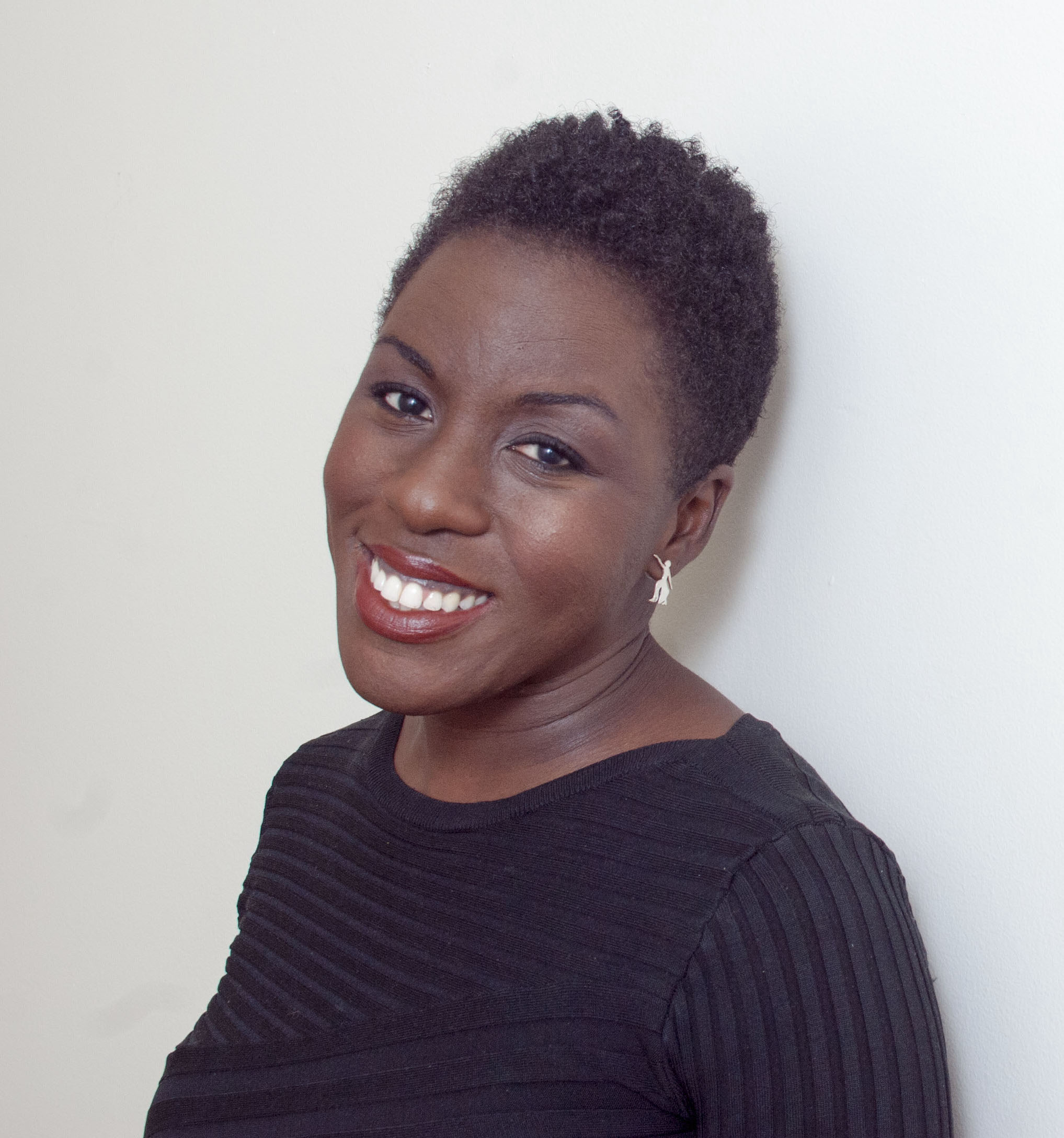
Fredara Mareva Hadley, Ph.D. is an ethnomusicology professor in the Music History Department at The Juilliard School where she teaches courses on ethnomusicology and African American Music. Dr. Hadley has presented her research at universities and conferences both domestic and abroad and has been published in academic journals and other publications. Her commentary is featured in several documentaries including the recently released PBS doc-series, The Black Church, hosted by Professor Henry Louis Gates. One of her ongoing research projects focuses on composer and musicologist, Shirley Graham DuBois. Dr. Hadley’s forthcoming book focuses on the musical impact of Historically Black Colleges and Universities.
Take it away, Fredara!*
What path led you to Shirley Graham Dubois? And why do you think it is important to tell her story today?
I came to Shirley Graham DuBois through the Oberlin College Archives. I was preparing a class lecture on the early Black graduates of Oberlin Conservatory for my African American Music class, so I decided to go to the archives to see what I could find to learn more about them and their contributions. There were so many interesting finds, but Shirley Graham DuBois just grabbed me. There were so many fascinating things about her. She came to Oberlin in the early 1930s as a mother and divorcee. That was virtually unheard of then. Then while at Oberlin she wrote and staged an entire opera and wrote a Masters’s Thesis entitled, “Survival of Africanisms in Modern Music.”
As it happened, I ran into my colleague, Tamika Nunley, as I was leaving the Archive that day and she too was interested in Graham DuBois. That led to us to teaching companion courses about Graham DuBois, traveling to Ghana, Graham DuBois’ adopted homeland, and hosting a symposium about her life and contributions.
Graham-DuBois is one of the most interesting people I’ve ever encountered. She was a composer, an biographer, a magazine founder, a mother, a wife, and worked in the Ghanaian government in the early years of independence. She knew Mao Zedong, was a comrade of Paul and Eslanda Robeson. Once you know Shirley Graham DuBois’ name, she appears everywhere from FBI files to newspaper articles, Maya Angelou’s biography, and so many other places. She’s one who truly lived life on her own times and consistently tried to bend the world into what she thought it should be.
I think we always need to hear from women like her. [Pamela butting in here to say “Amen!”]
Are there special challenges to researching women of color, who in some ways have been doubly erased from history?
One of the interesting things about Graham DuBois is that she was actually well known in her lifetime. So, I am fortunate that there was substantial coverage of her during her lifetime through the Black press and the mainstream press. Further, Graham DuBois was a prolific writer. So while to our knowledge, she wasn’t a diarist, we have articles, books, correspondence, that help us understand her world and humanity.
Now, it is also true that the coverage of her is likely not the same as it would have been for a man. That, combined with her staunchly communist views, means that often I still get to Graham DuBois through the stories of others, namely her husband. But thankfully, Gerald Horne, wrote a wonderful biography about her that paints the broad strokes of her life.
One of the questions I’m fascinated with right now is how biographers name their subjects, particularly when writing about a woman. Do you chose to use Shirley or DuBois (or something else) in your work and why?
I went through a few interactions of how to refer to her. In my head, I often call her “Aunt Shirley” because she feels so familiar to me. But in writing, I’ve settled on Graham DuBois. Graham is her maiden name and the name under which she did so much of her writing, but she was also proud of being W.E.B. Dubois’ wife, so referring to her as Graham DuBois feels like I’m honoring what was important to her. [Pamela again: What an elegant solution to an intractable problem! ]
*With a hat tip to writing friend Sunny Stalter-Pace,who introduced me to Fredara Hadley. That’s how the magic happens here.

Shirley Graham DuBois 1946
And here’s my question to you! What do you find most challenging or most exciting about researching historical women?
The most challenging thing about researching historical women is the eternal problem with sources. Even with a subject like Sigrid Schultz, where actual archival sources exist, there are always huge holes in the story—which sometimes seem to get bigger the closer you look. (Or at least that’s how it feels today.)
On the other hand, the most exciting thing is finding my way around one of those challenges.(Also how it feels today.Woot!)
******************
Want to know more about about Fredara Hadley and her work?
Check out her website: http://fredaramhadley.com/
Follow her on Twitter: @FredaraMareva
* * *
Come back tomorrow for three questions and an answer with biographer Marcia Biederman
Talking About Women’s History: Three Questions and an Answer with Iris Jamahl Dunkle
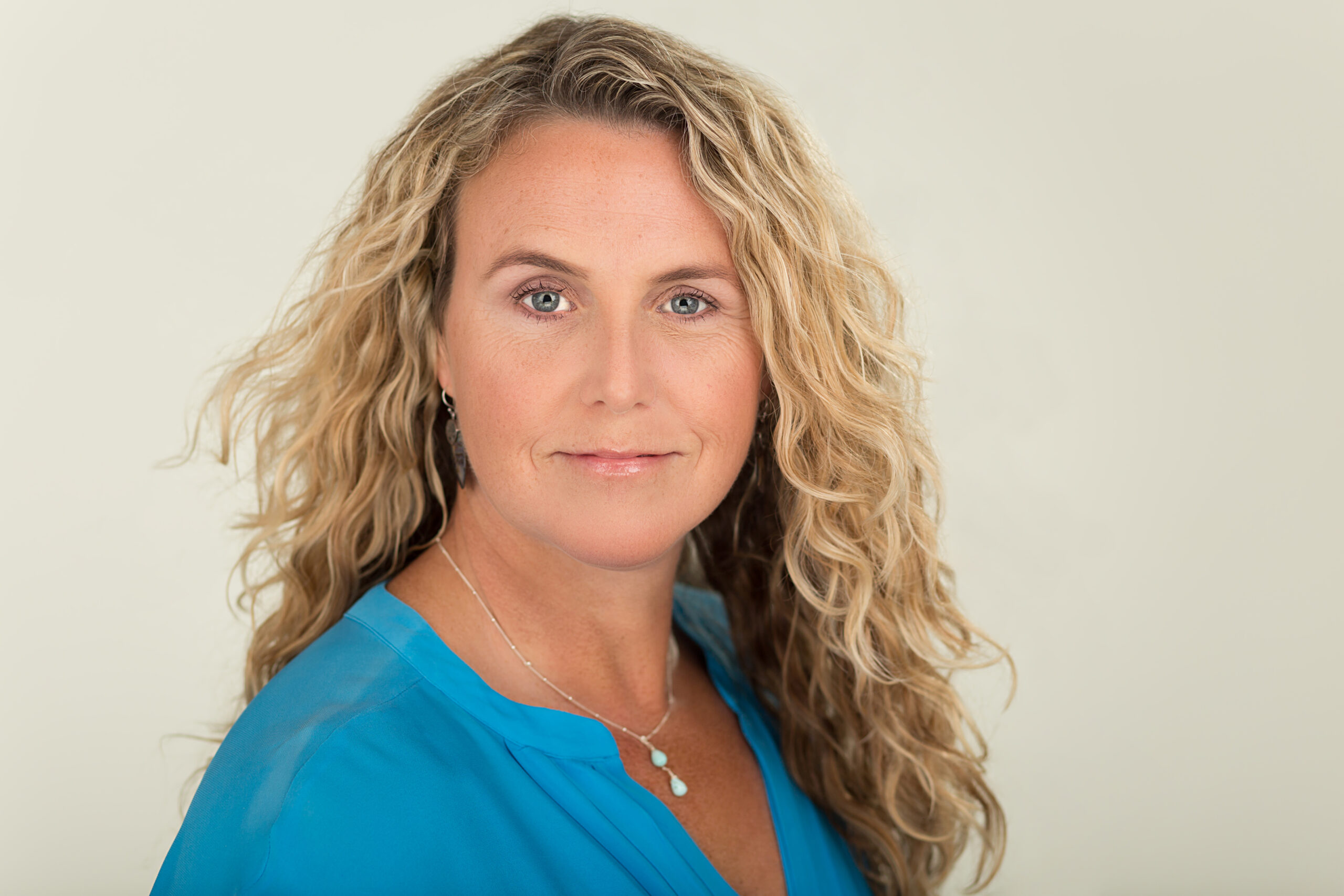
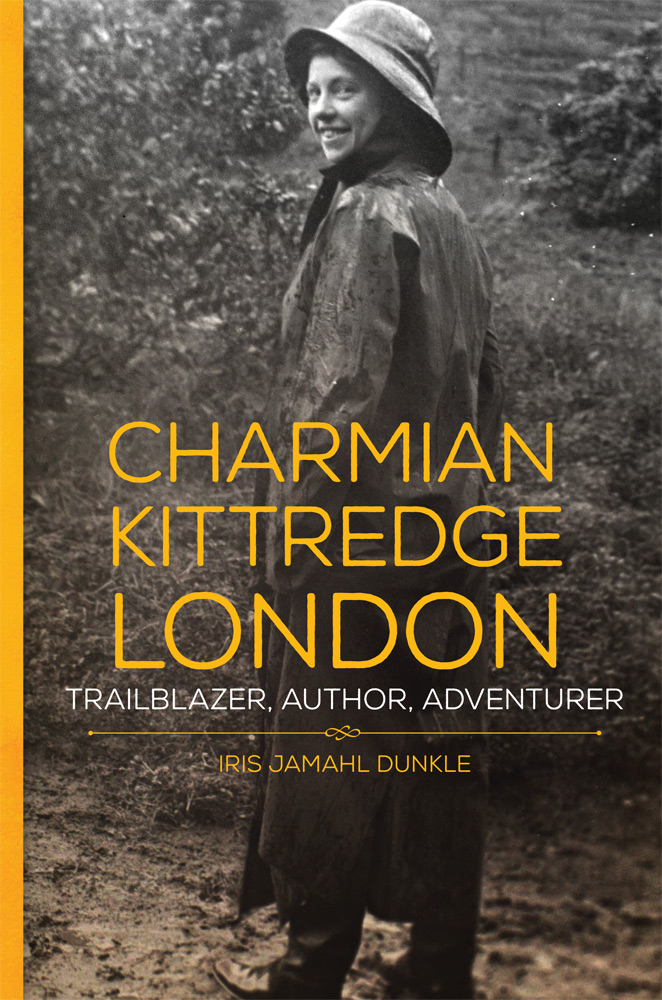
Iris Jamahl Dunkle is an award-winning writer. Her work challenges the Western myth of progress by examining the devastating impact that agriculture and over-population have had, and continue to have, on the North American West. Taking an ecofeminist bent, her writing also challenges the American West’s male-oriented recorded history by researching the lives of women. She obtained her MFA in poetry from New York University and her Ph.D. in American Literature from Case Western Reserve University. Dunkle wrote the first full-length biography on Charmian London, Jack London’s wife, Charmian Kittredge London: Trailblazer, Author, Adventurer published by the University of Oklahoma Press in 2020. Her fourth collection of poems, West : Fire : Archive was published by The Center for Literary Publishing in 2021. Dunkle teaches at Napa Valley College and is the Poetry and Translation Director of the Napa Valley Writers’ Conference.
Take it away Iris!
You are an award-winning poet. What inspired you to make the leap to writing a work of historical non-fiction?
I have been writing poetry from archives for most of my life. So far, I’ve published four collections of poetry: Gold Passage (Trio House Press 2013), A Ghost in this Machine of Air (Word Press 2015), Interrupted Geographies (Trio House Press 2017) and West : Fire : Archive (The Center for Literary Publishing 2021). But something happened when I encountered archives from Charmian Kittredge London’s life. It began when I discovered her manuscripts for her unpublished work, “The Log of the Dirigo” where she documents their amazing adventure on a three-masted ship sailing around Cape Horn. Her writing was so imagery rich and well crafted. I started to wonder who was this woman and why had her story been all but erased and re-written? I began the project by writing hundreds of poems (many of these poems were later collected in my latest poetry collection West : Fire : Archive). But none of them fully satisfied my need to discover and tell Charmian’s full story in her own voice. I wanted whatever I discovered to reach a wider audience. So, I transitioned to prose and began a six-year journey researching and writing a biography about Charmian Kittredge London.
What path led you to Charmain Kittridge London? And why do you think it is important to tell her story today?
I grew up in a small town in Northern California. I always knew I wanted to be a writer, I just didn’t know you could do that as your profession until the day I went on a field trip with my Sixth Grade class to Jack London State Park in nearby Glen Ellen, CA. It was at the park, wandering through the museum in The House of Happy Walls, that I met Jack London (and Charmian London) and saw that you could travel the world and write about it. To me that sounded like the perfect life.
Many years later I returned to Northern California after finishing my Ph.D. and I started volunteering at Jack London State Park to run a book club. We read many of Jack London’s books. Then, I discovered that Jack’s wife Charmian had also written several books. I didn’t know much about Charmian. Most of Jack London’s biographers just repeated what the ones before them had said about her life. It’s then that we read The Book of Jack London: a two-volume biography Charmian wrote about her husband a few years after he died. Her writing, especially about Jack London’s death, was so touching to me it made me feel like I was seeing the real Jack London for the first time. It made me doubt the image of Charmian I had encountered in all of the previous biographies about Jack London where she appeared as Jack’s secretary, or a jealous wife, or an airhead; a woman who hindered her famous husband’s life more than helped it. So, I started to ask, who was this woman that we all know so little about? As soon as I began researching, the answers I found were shocking. So, for the next six years, I dove into researching and telling the story of her life which eventually became my book: Charmian Kittredge London: Trailblazer, Author, Adventurer.
What was the most surprising thing you’ve found doing historical research for your work?
The most surprising thing I found out was that Charmian helped write some of her husband’s books and had never been credited for her work. When I read London’s 1913 novel, The Valley of the Moon I was struck by how real his female characters seemed to be. In all of the reading I’d done of the era, I’d never encountered another male writer who had so successfully depicted a woman’s life and included. Turns out the reason he was able to do that was that Charmian had not only helped him research the book on a trip they took up and down the state of California in a rugged four-horse wagon, but she had also written full passages of the book. Her involvement in developing this manuscript is well depicted in the diaries she wrote while aboard The Dirigo from Baltimore around Cape Horn to Seattle; however, like so much else about Charmian’s life this fact had never been included in any biography about the Londons before mine.
Another fact that I found surprising (sorry, I know you only asked for one!) was how similar Charmian was to women I knew today. She wasn’t at all like the women I had imagined who lived during her era. She was fiercely independent; she didn’t like to follow the rules and she was always game for an adventure. This fact sold me on continuing to write biographies about women. How many other women’s lives had we just not remembered? I feel like I will happily spend the rest of my life trying to discover their stories.
Here is my question for Pamela: What draws you to writing against the “norms” of gender? What do you hope young girls will discover in your writing?
The history I write often turns what we think we know about history inside out, or at least looks at the familiar from an unfamiliar angle. In doing so, I ask us to look at the world today from a slightly different angle as well. The impact of this can be profound. If you are able to look at history from someone else’s perspective for even a short time, you are more apt to see her as a person rather than “the other.” When we re-introduce overlooked populations into the story, the historical framework gets a little bigger, a little more complex. That’s true whether I’m writing for adults or children.
* * *
Want to know more about Irish Jamahl Dunkle and her work?
Visit her website: http://www.irisjamahldunkle.com/
Follow her on Facebook: https://www.facebook.com/iris.dunkle
Follow her on Instagram:https://www.instagram.com/irisdunkle/
Follow her on Twitter: https://twitter.com/irjohnso
Join the Patreon Page for her next biography: Join Team Sanora Babb
* * *
Come back tomorrow for three questions and an answer with ethnomusicologist Fredara Hadley, who writes about composer (and more) Shirley Graham Dubois.